
Industries
Data Center Roofing in Charleston, SC.
Charleston, South Carolina has emerged as one of the Southeast's fastest-growing technology corridors, centered on a surge in data center investment that mirrors the region's broader.
Request Roof WalkData Center
Roofing
Roof Scope Notes
Charleston, South Carolina has emerged as one of the Southeast's fastest-growing technology corridors, centered on a surge in data center investment that mirrors the region's broader economic expansion. The convergence of affordable power rates from Santee Cooper and South Carolina Electric & Gas, a favorable tax climate, and proximity to the Port of Charleston's fiber-dense infrastructure has drawn colocation operators and enterprise cloud deployments to the metro area. As Charleston's technology footprint deepens, the demand for data center roofing contractors who understand the unique structural and waterproofing demands of mission-critical facilities has grown in step.
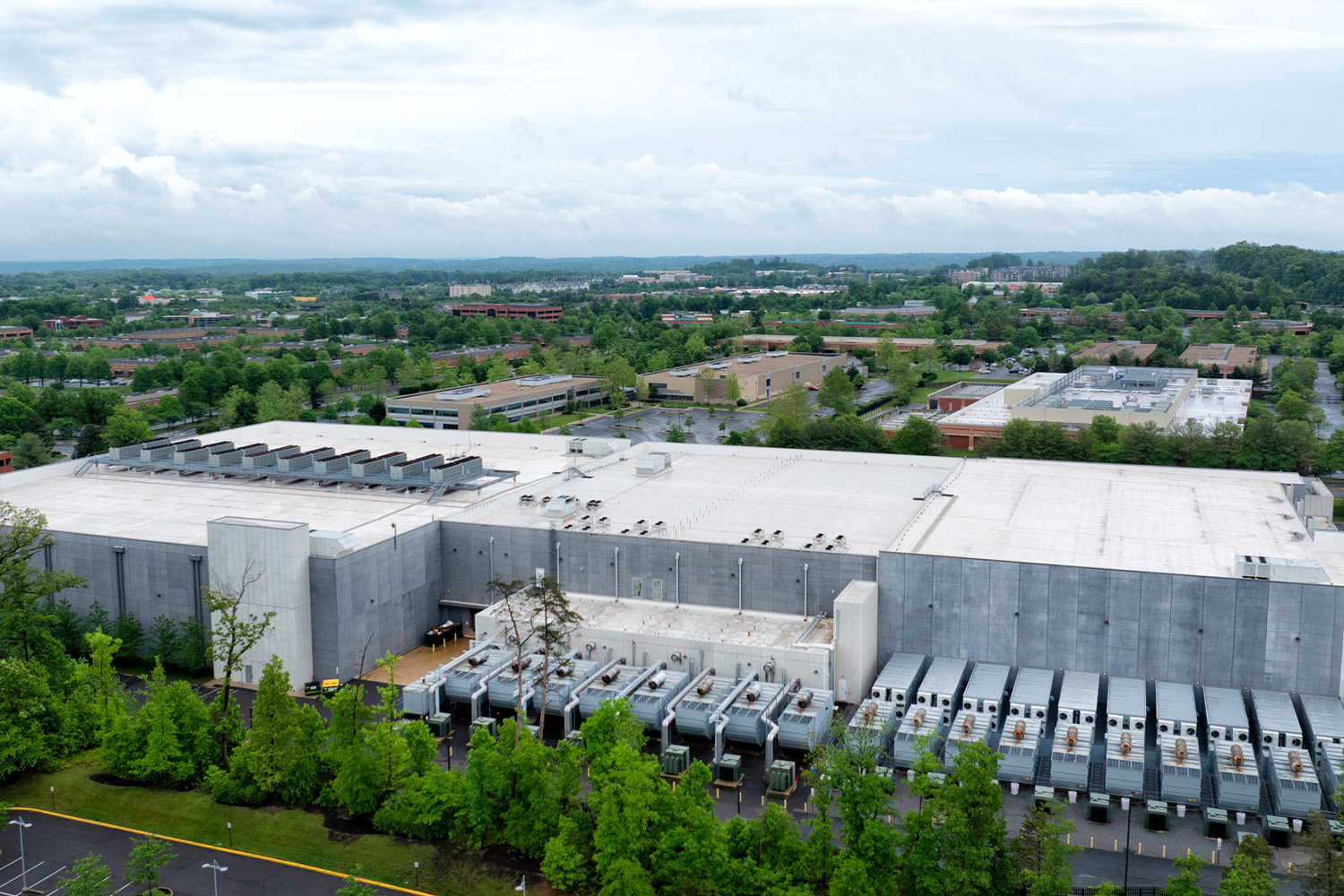
Data centers in the Charleston metro - including facilities along the I-26 corridor near North Charleston and in the Summerville technology park clusters - place extraordinary demands on roofing systems that simply do not apply to standard commercial buildings. A modern hyperscale or colocation facility may have dozens of rooftop CRAC and CRAH unit penetrations, each requiring precision flashing and long-term watertight seals. These units cycle continuously to remove heat from densely packed server halls, and any moisture intrusion around a penetration can cascade into equipment damage, downtime, and insurance claims that dwarf the cost of the original roofing project.
The density of mechanical and electrical rooftop equipment at Charleston data centers creates a challenging environment for roofing contractors unfamiliar with mission-critical construction. Generator exhaust stacks, emergency switchgear ventilation, conduit bundles serving rooftop communications equipment, and cable tray systems that route fiber between wings of the facility all penetrate the roof membrane at tight intervals. Each penetration is a potential leak point, and each requires a custom flashing solution engineered to accommodate both the penetration geometry and the thermal cycling of the equipment it serves.
Vibration isolation is a roofing concern that is often overlooked until it becomes a costly problem. Diesel generators - typically rated at 1 to 3 megawatts per unit at enterprise data centers - produce substantial low-frequency vibration that transmits through the building structure to the roof deck. UPS battery cabinets and large PDU transformers contribute secondary vibration loads. Without proper vibration isolation pads under rooftop equipment curbs and carefully selected membrane systems that tolerate dynamic movement, seam fatigue and flashing separation occur far earlier than the warranty timeline would suggest.
Charleston's subtropical climate presents specific roofing challenges for data center operators. The city averages more than 50 inches of rainfall annually, with intense late-summer thunderstorm activity and a genuine hurricane threat from June through November. Hurricane Dorian, the remnants of which brought heavy rain and wind to the Lowcountry in 2019, underscored the vulnerability of flat-roofed facilities to wind uplift and sudden water intrusion. Data center roofing systems must meet or exceed ASCE 7 wind uplift requirements for the Charleston wind zone, and seam integrity must be verified after any major storm event regardless of visible surface condition.
Thermal performance is a cost-of-operations issue at Charleston data centers that roofing choices directly affect. Server hall cooling loads are enormous - a mid-sized colo facility may sustain 5 to 15 megawatts of IT load - and solar heat gain through a dark or uninsulated roof adds directly to mechanical cooling demand and utility cost. Reflective TPO membranes with high-R continuous insulation boards have become the standard specification for new data center construction in Charleston, reducing cooling energy consumption and extending membrane life by moderating surface temperature extremes across the long, hot Southern summers.
TPO (thermoplastic polyolefin) membranes are the dominant choice for Charleston data center roofing, prized for their heat-weld seam strength, chemical resistance to generator exhaust residue, and reflective white surface. EPDM (ethylene propylene diene monomer) remains a viable option for retrofit projects on older facilities, particularly where the existing substrate is incompatible with TPO adhesives. PVC membranes offer superior resistance to rooftop chemical exposure - a consideration on facilities where diesel storage or battery room venting creates a chemically aggressive rooftop environment - but carry a higher material cost that must be justified by the specific exposure conditions.
Questions Building Owners Ask
Related Roof Planning
Insurance Restoration
A Charleston buyer searching for Insurance Restoration usually needs an answer that can survive budget review, not a vague promise. On a insurance restoration call, we ask for roof age,.
Logistics and 3PL
The first useful note for Logistics and 3PL is written at the roof hatch, after we see drainage, traffic, equipment, and how the building is used. On a logistics and 3PL call, we ask for.
K-12 and Higher Education Facilities
A Charleston buyer searching for K-12 and Higher Education Facilities usually needs an answer that can survive budget review, not a vague promise. On a k-12 and higher education facilities.
Food Processing and Cold Storage Roofing
Charleston, South Carolina's food industry infrastructure is deeply tied to the Port of Charleston, one of the busiest container ports on the East Coast and a critical gateway for imported.
Aerospace & Defense Facility Roofing
Commercial roofing for aerospace and defense facilities in Charleston, SC operates under a different set of constraints than standard commercial work. Facilities tied to active weapons.
Government and Municipal Building Roofing
Charleston's civic architecture is among the most distinctive in the American South - the Four Corners of Law at Broad and Meeting Streets alone encompasses a federal courthouse, a county.
Contact Us
Plan
With
Us.
Send the roof address, access notes, roof age if known, leak photos, and any operating limits below the roof. We will map the first roof walk around the building, weather window, and urgency of the issue.
Get In Touch