Roof Planning
Commercial Roofing Services in Charleston.
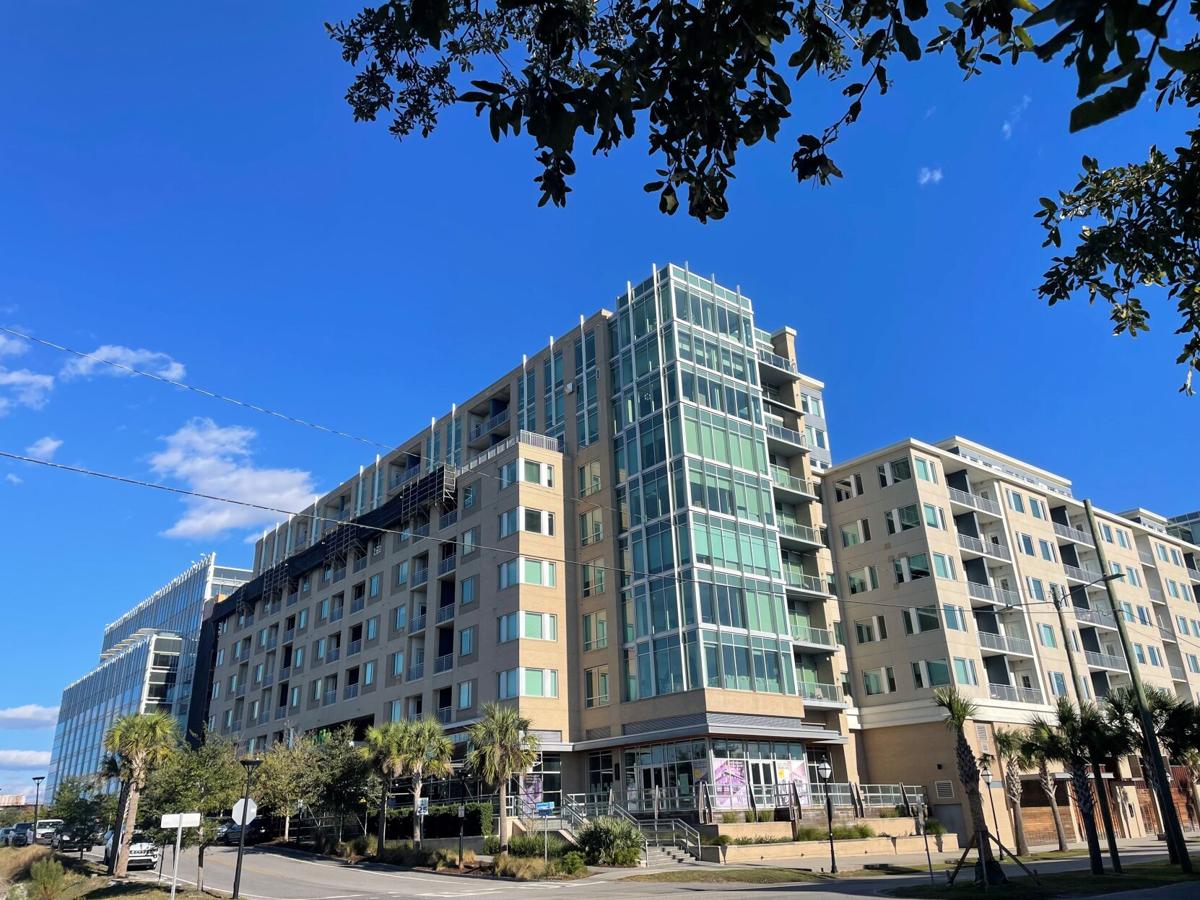
Roof decisions in Charleston need more than a product label. The right scope depends on water entry, membrane age, deck condition, drainage, access, wind exposure, rooftop equipment, tenant limits, and the operating schedule below the roof.
Request Roof WalkRoof Work
Starts With Field Evidence.
Roof Work For Charleston Commercial Buildings
- Document roof evidence before choosing a repair or replacement path.
- Plan roof access, dry-in, staging, and weather exposure around the property.
- Keep visible recommendations tied to the building, not borrowed claims.
Roof Work To Review
Acrylic and Silicone Roof Coatings
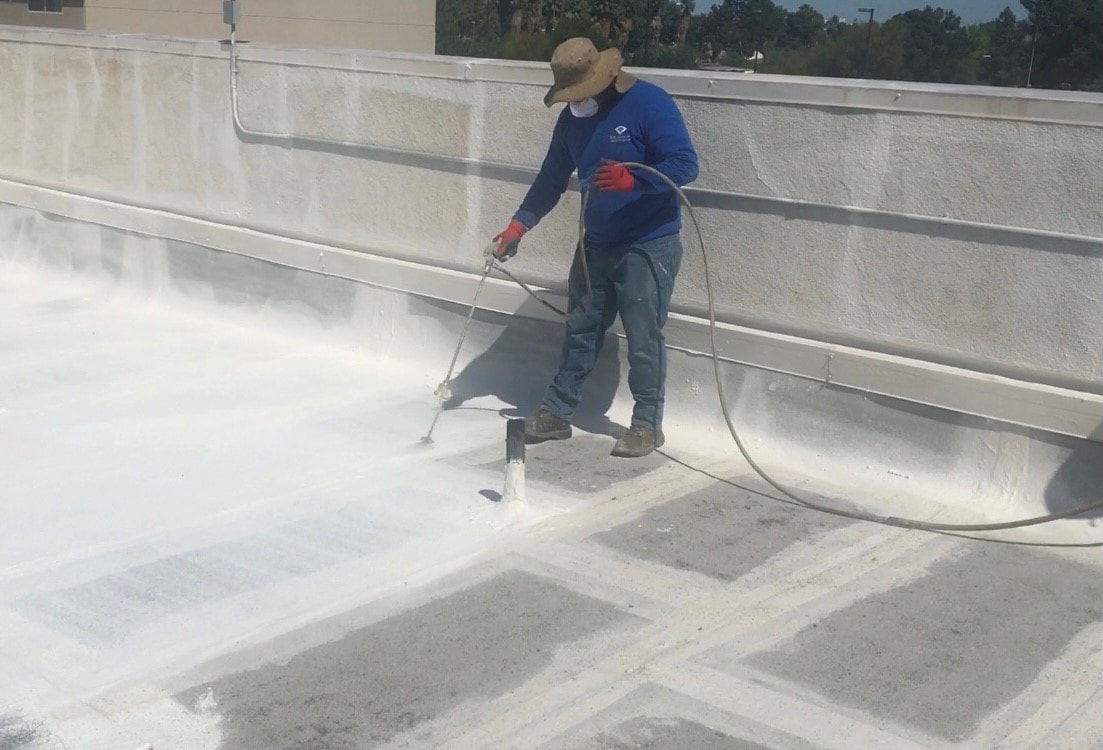
Acrylic and silicone coatings let Charleston owners restack the clock on an aging membrane without a full tear-off, sealing seams and reflecting the subtropical sun before a leak forces a harder decision.
Auto Dealership Roofing
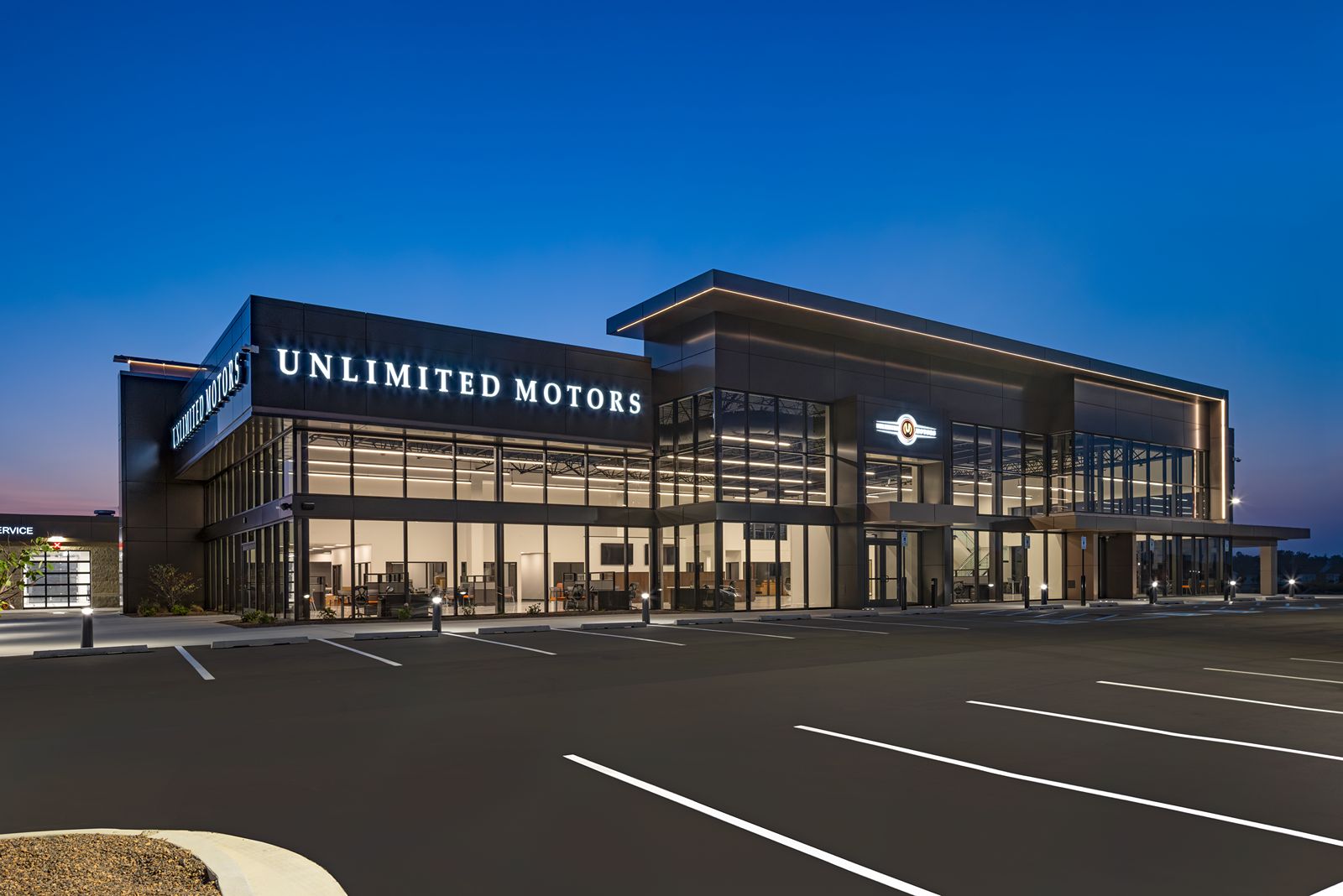
Showrooms along Savannah Highway and Rivers Avenue mix glass curtain walls with low-slope service bays, so dealership roofs here get scoped for ponding over the shop and salt-driven corrosion at the rooftop HVAC serving the showroom floor.
Built-Up Roofing
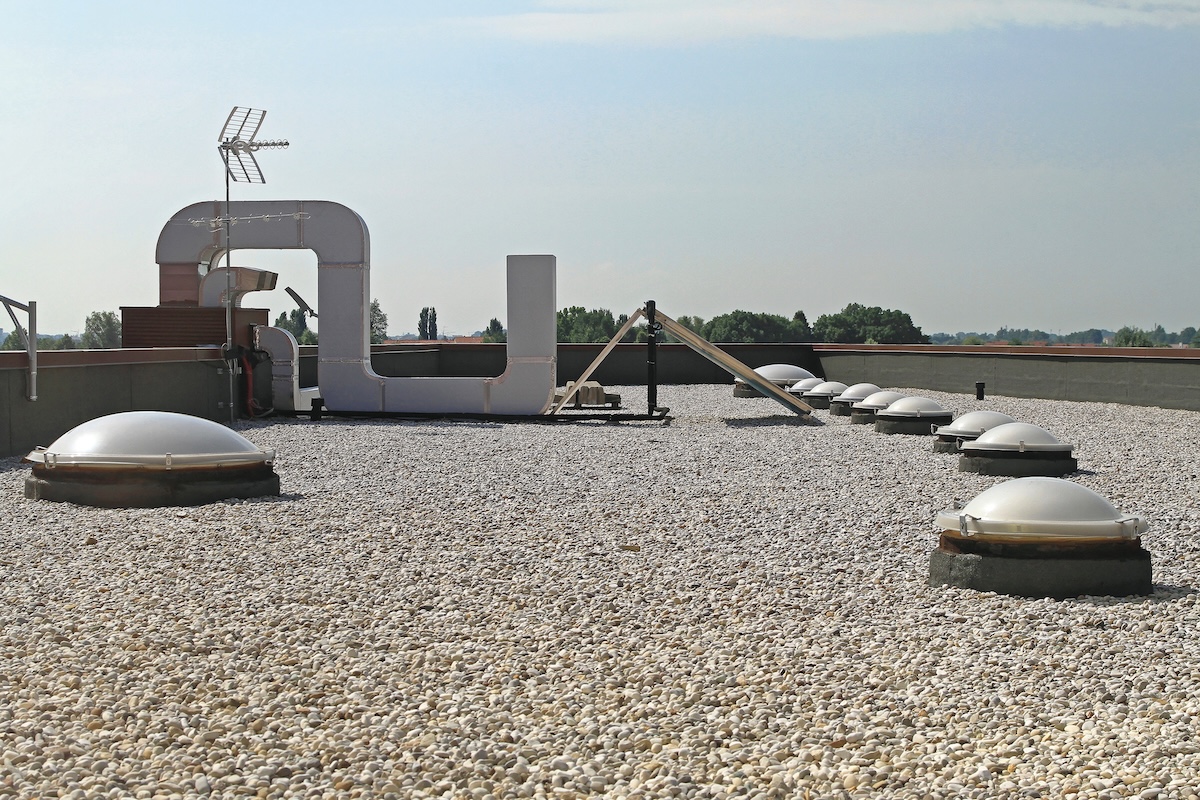
Built-up roofing still earns its keep on older Charleston warehouses and institutional buildings, where layered asphalt and gravel shrug off foot traffic and the relentless Lowcountry UV that thins lighter systems.
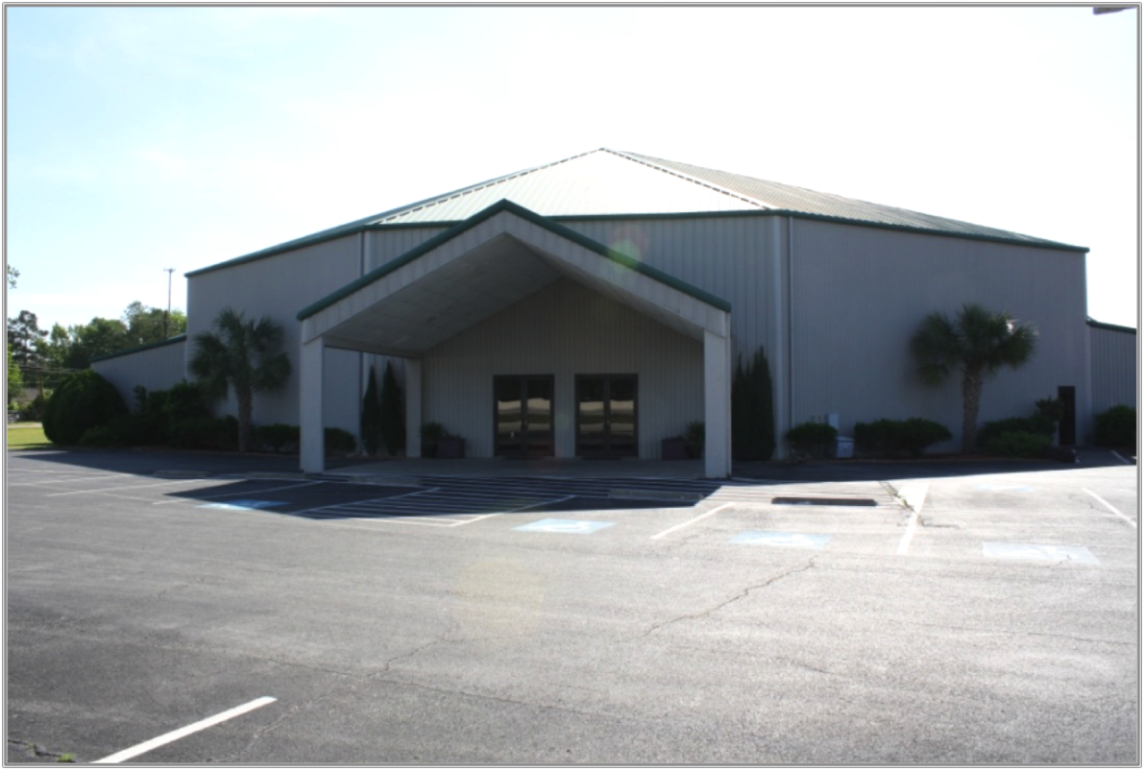
Church and Religious Building Roofing
From peninsula sanctuaries to suburban worship campuses, church roofs combine steep historic slate or copper with flat education wings; we plan the work around service schedules and the wind uplift that hurricane season brings.
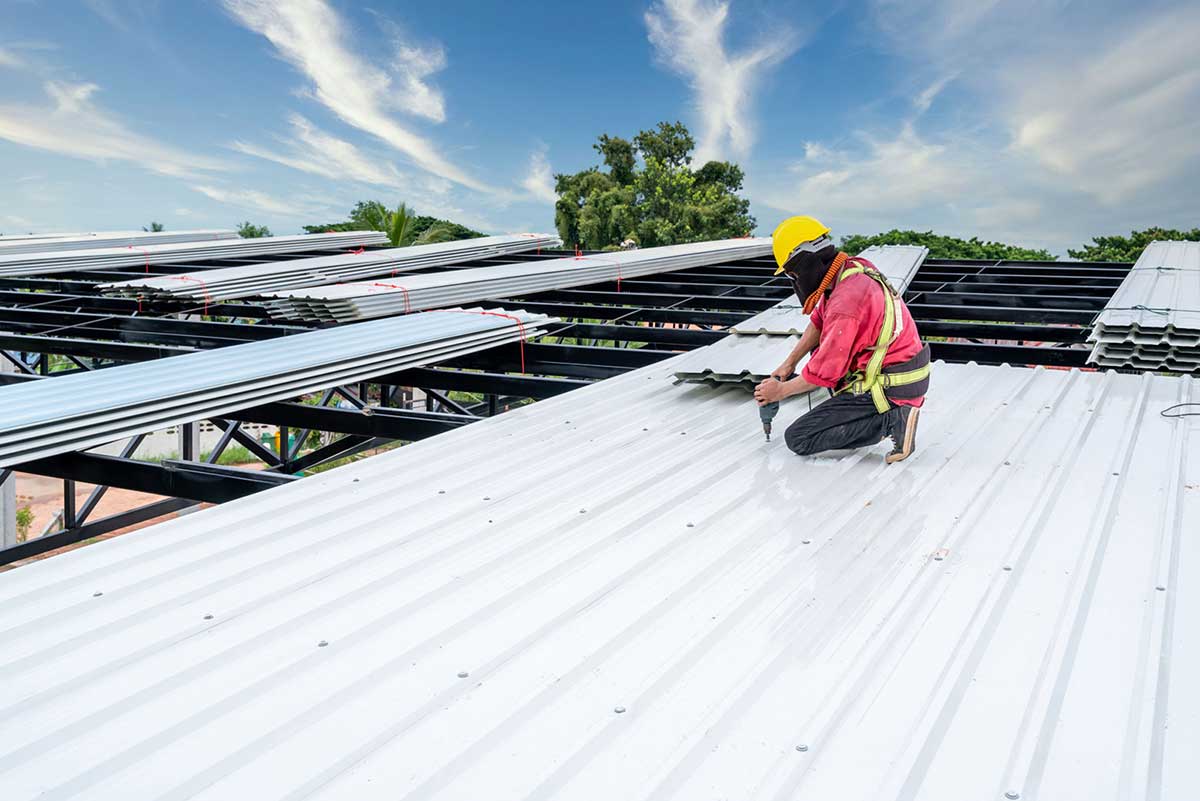
Commercial Re-Roofing
When patch-and-pray stops paying off, re-roofing replaces a tired Charleston membrane with a system specified for coastal wind ratings and the heat load of a flat roof baking through a Lowcountry July.
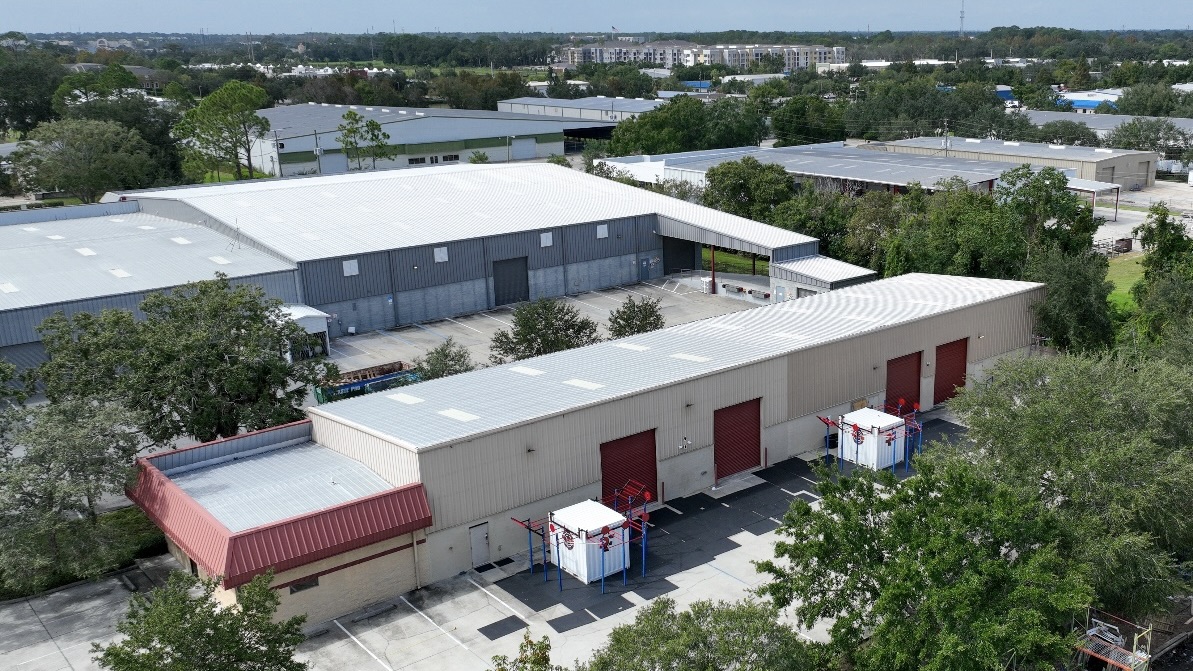
Commercial Roof Inspection
A documented inspection gives Charleston property managers the photos, core readings, and moisture-survey notes they need before hurricane season, not the week after a storm sends water through a tenant's ceiling.
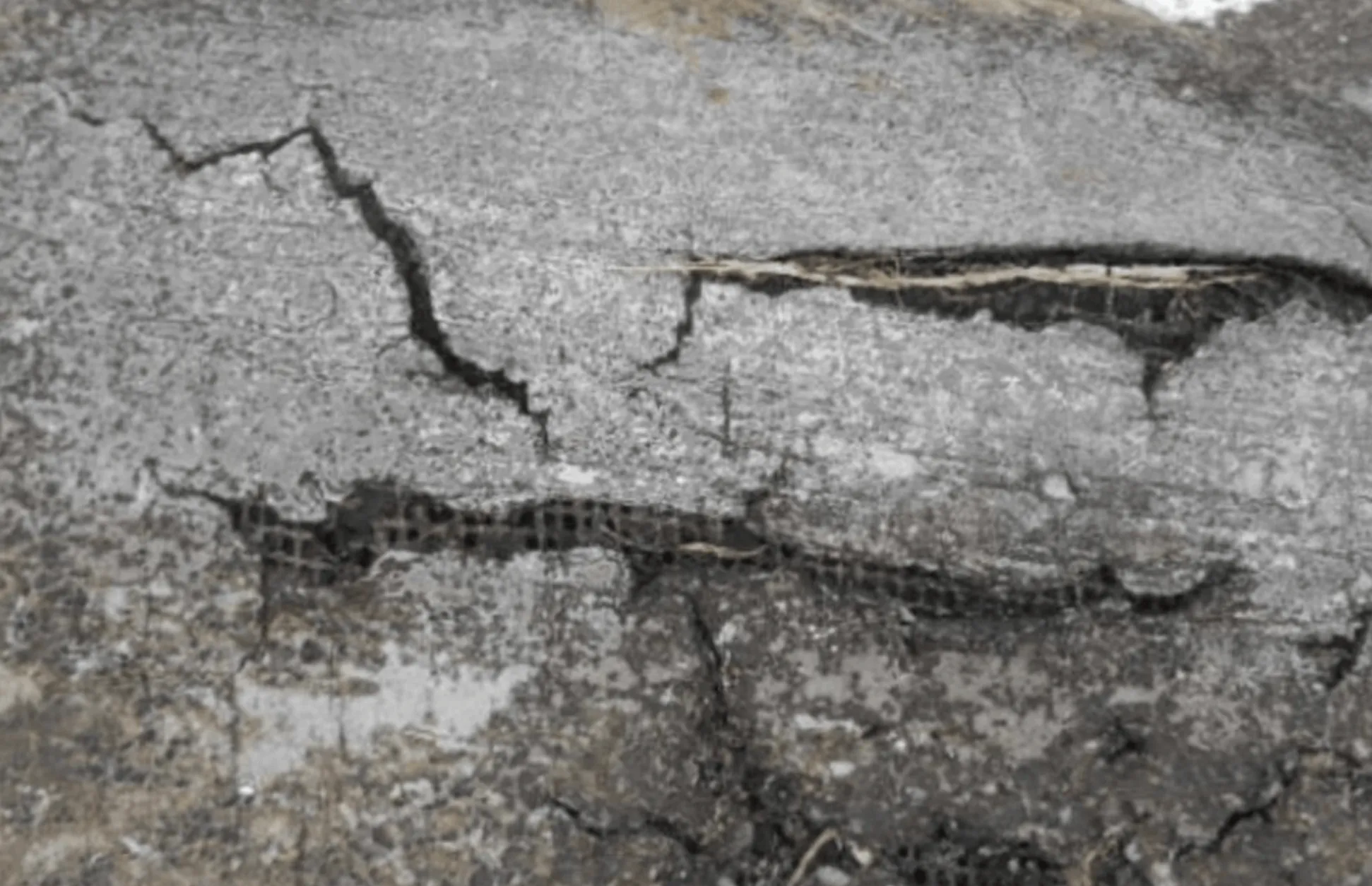
Commercial Roof Leak Repair
Active leaks get traced to the real entry point, not just the wet ceiling tile below it, because a humid Lowcountry building hides moisture migration that a quick caulk job only buries.
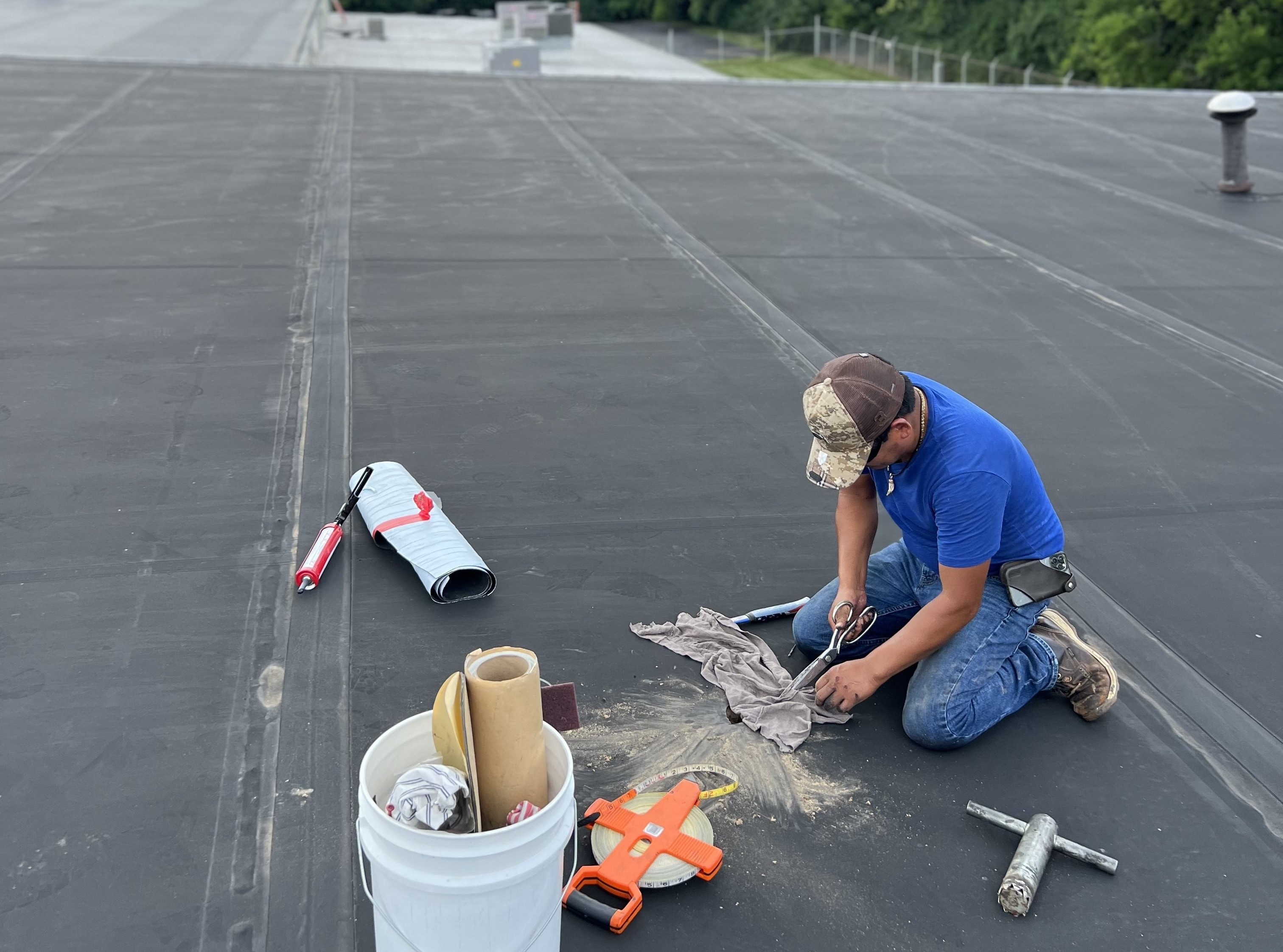
Commercial Roof Preventive Maintenance Program
A maintenance program keeps drains clear and flashings tight ahead of the heavy summer downpours that overwhelm a neglected Charleston roof, turning a $400 service visit into the alternative to a $40,000 emergency.
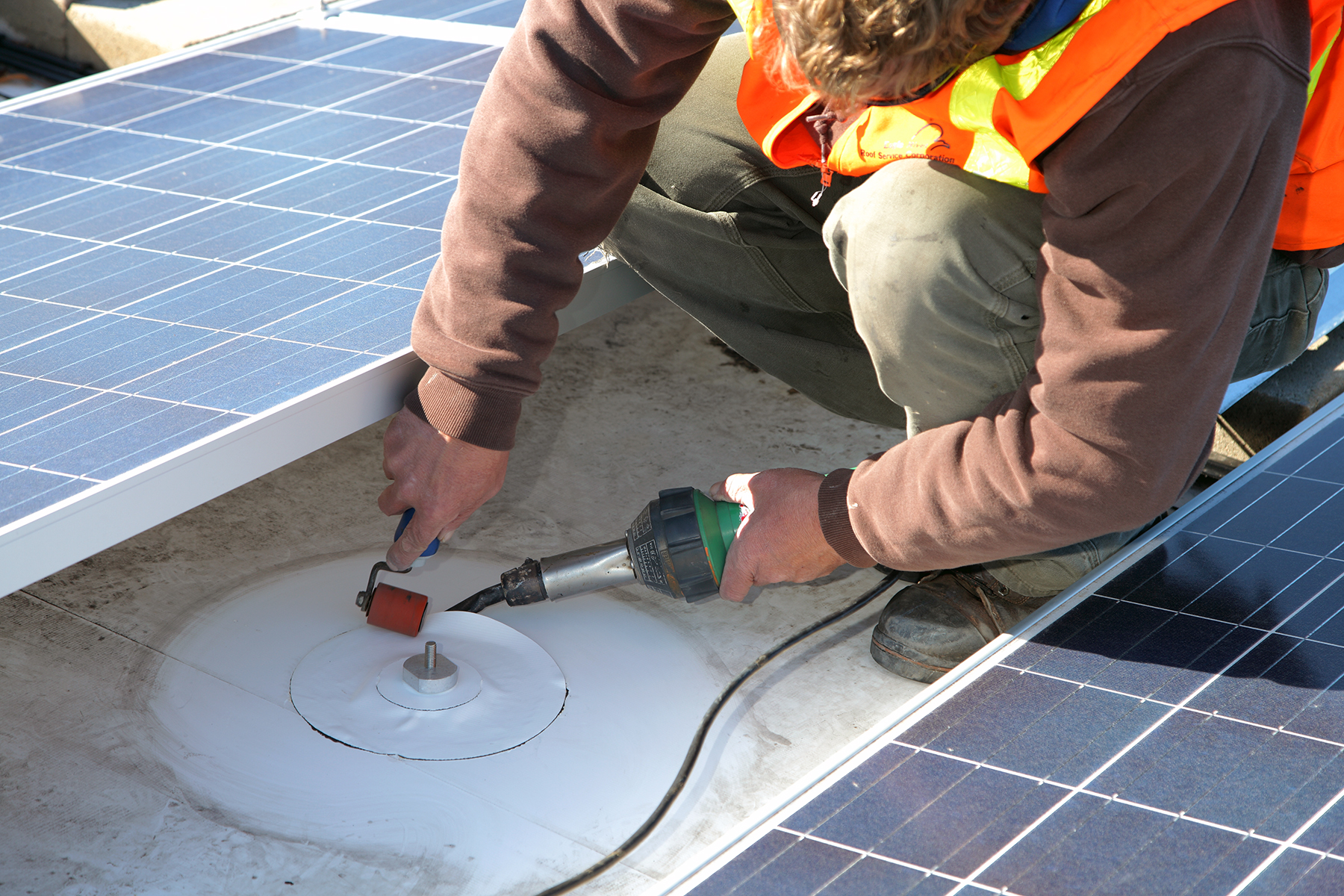
Commercial Solar Roof Integration
Mounting solar on a Lowcountry commercial roof means coordinating the array with membrane warranties and wind-uplift design so the panels generate power without becoming sails in a Category storm.
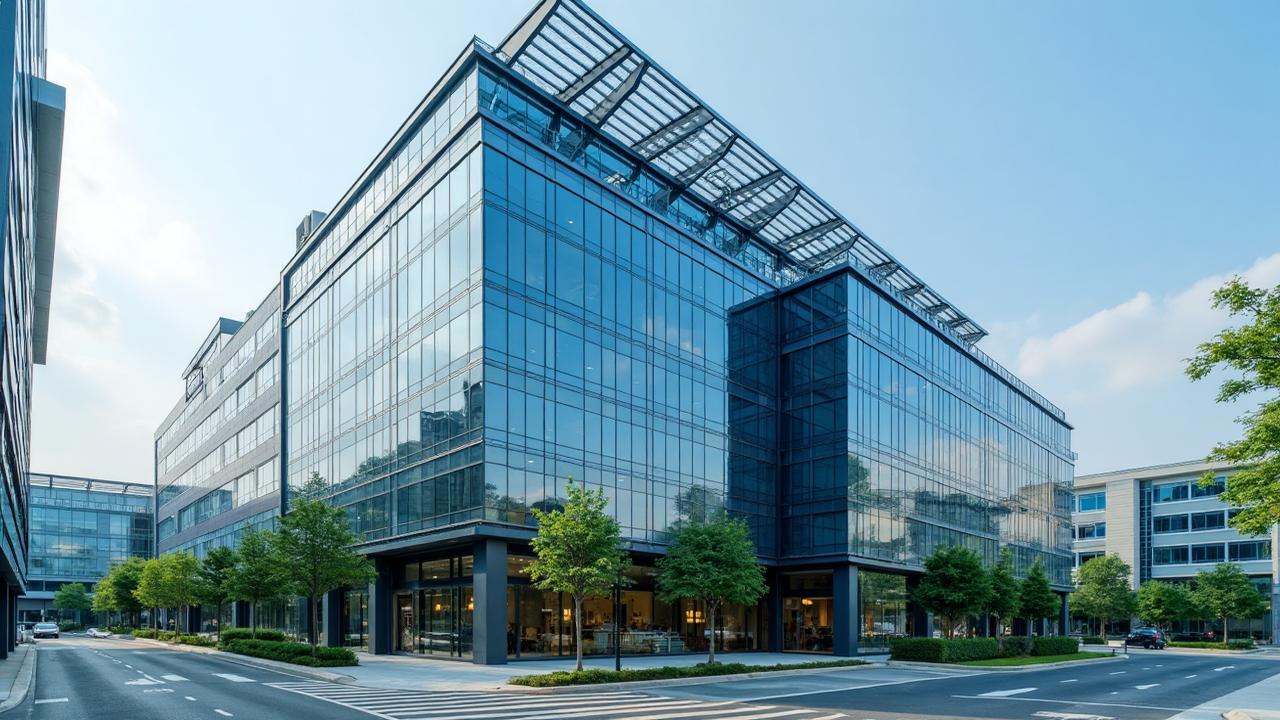
Drone & Thermal Roof Inspection
Drone and thermal flights map a large Charleston roof in an afternoon, pinpointing trapped moisture under the membrane and pulling crews off ladders on multistory peninsula and port-area buildings.
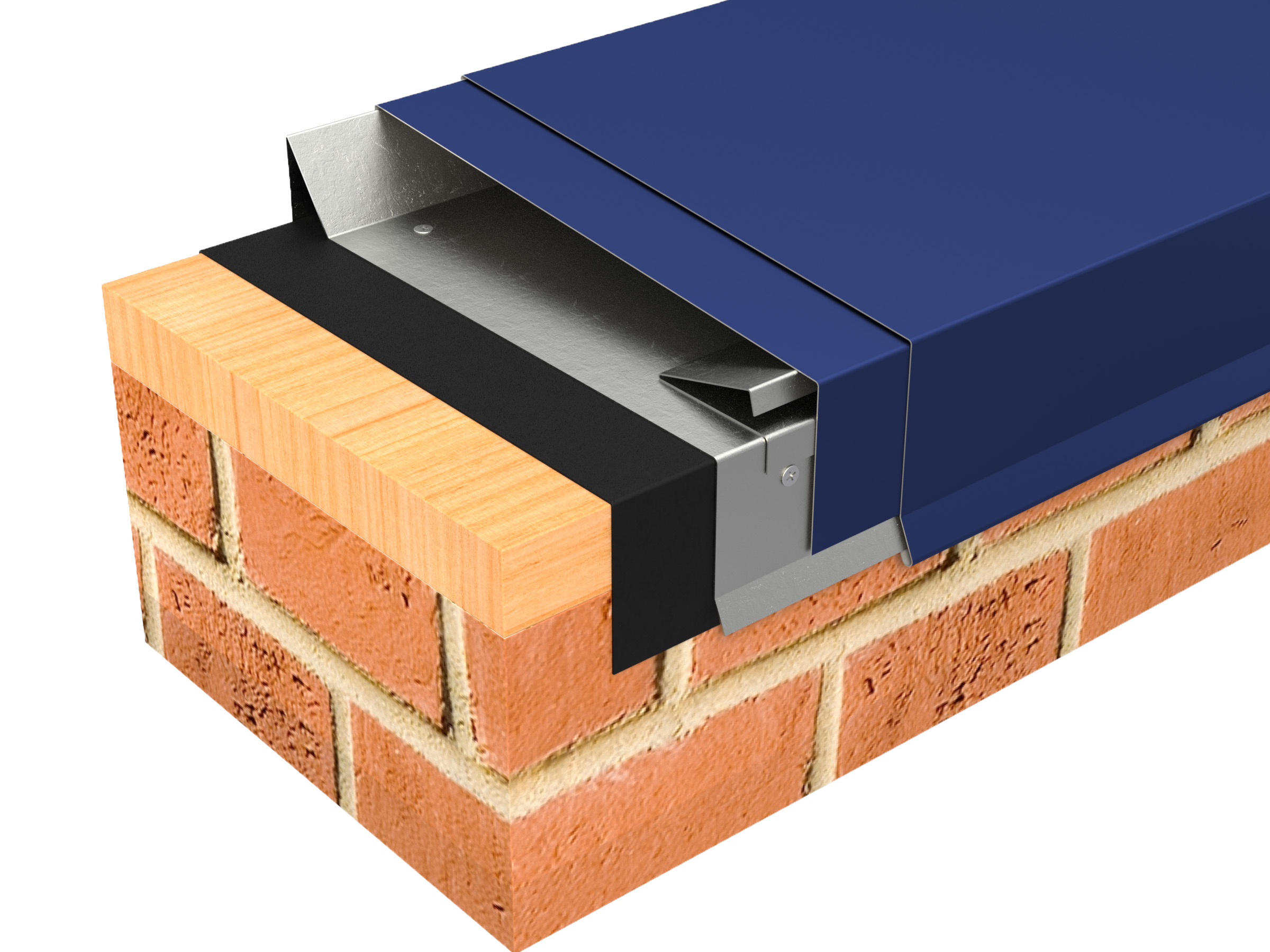
Edge Metal, Coping, and Gutters
Edge metal, coping, and gutters are the first things a coastal wind event peels back, so we detail and fasten these perimeters to hold against hurricane uplift while moving Charleston's downpour volume off the roof fast.
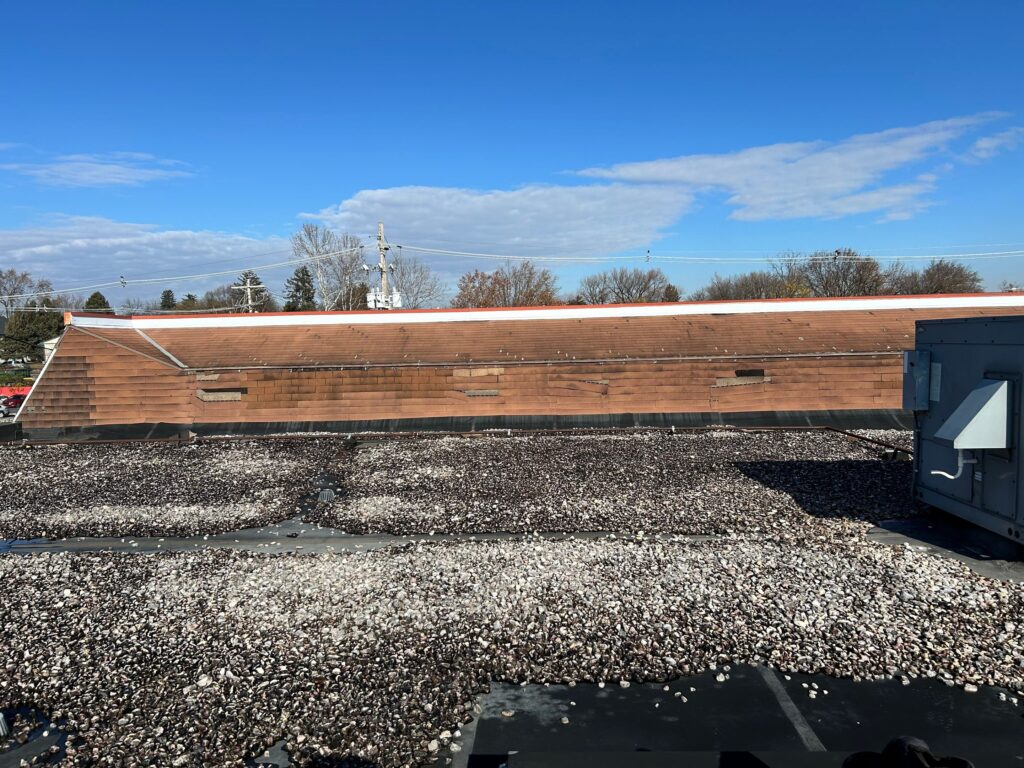
Emergency Tarp Dry In
After a storm tears open a roof, a fast, properly anchored dry-in keeps Lowcountry rain out of the building until permanent repairs can be scheduled and the insurance paperwork catches up.
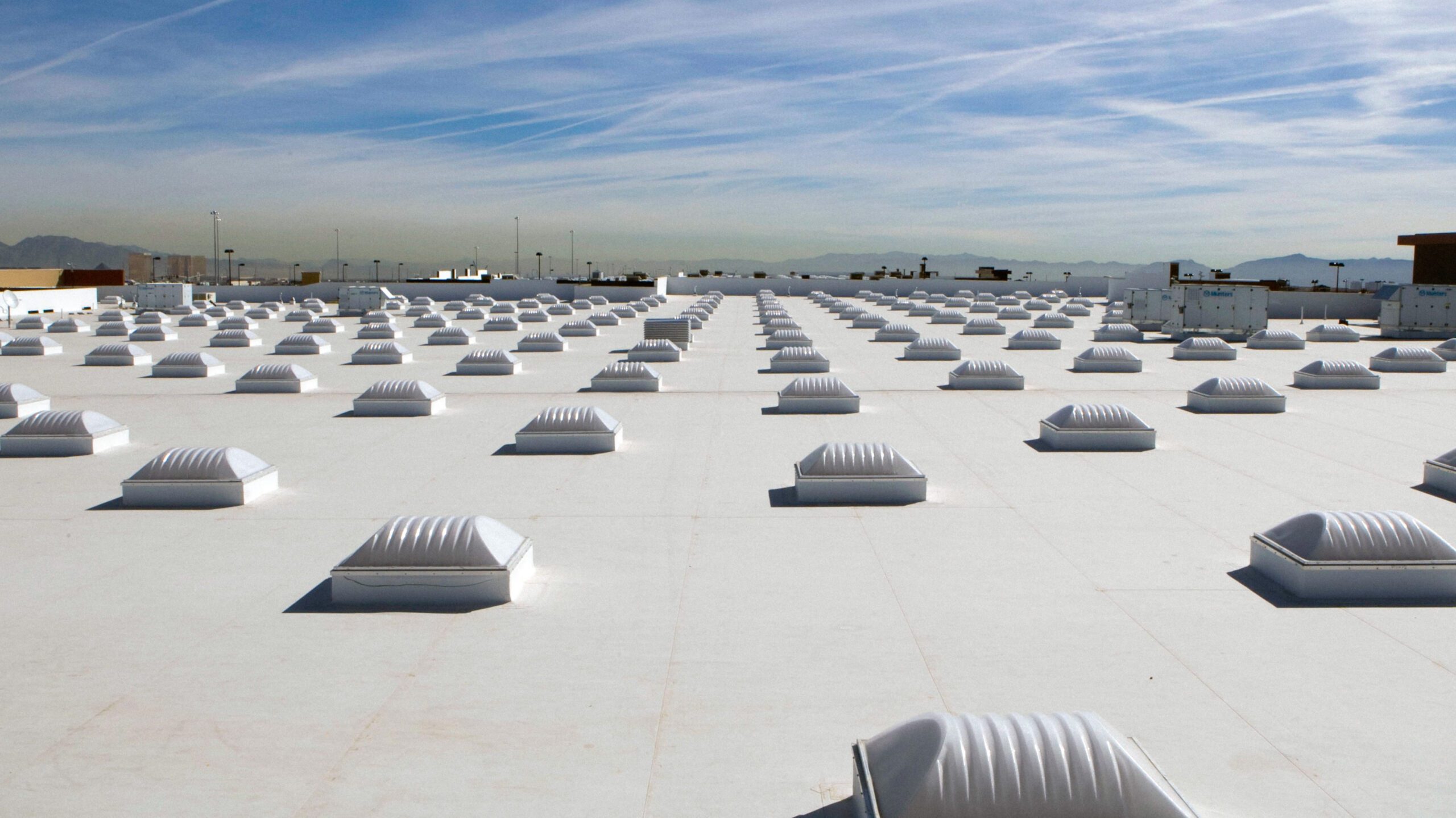
Energy-Efficient Cool Roof Installation
A reflective cool-roof surface cuts the cooling bill on a Charleston box that runs air conditioning eight months a year, dropping membrane temperatures that would otherwise cook a dark roof through the summer.
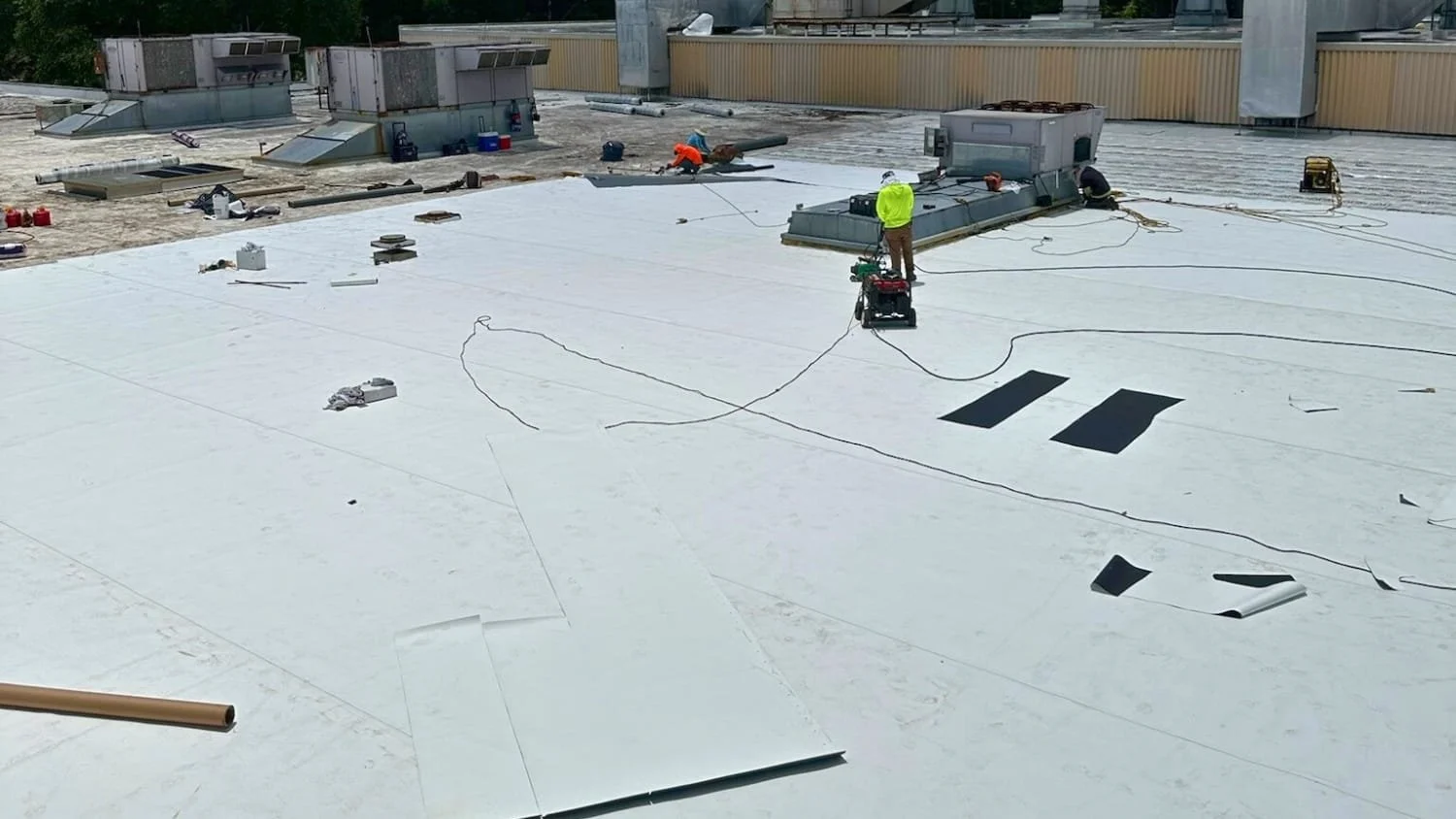
EPDM Commercial Roofing
EPDM rubber membrane handles the thermal cycling and ozone exposure of a Lowcountry roof well, a proven low-slope option for Charleston warehouses and offices when ballast or adhesion is detailed for wind country.
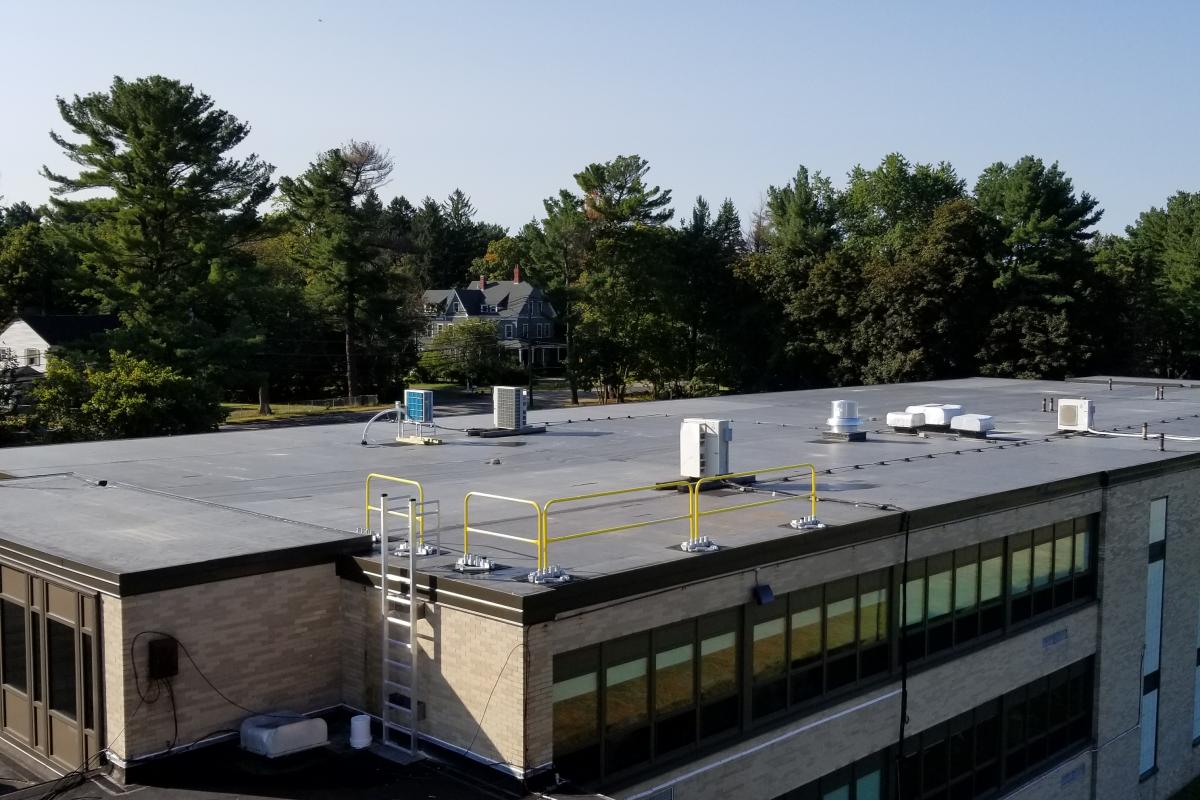
Government and Municipal Building Roofing
Municipal and county buildings around Charleston need roofing that clears procurement, stays operational during public hours, and meets the wind and water standards a coastal civic structure has to hold for decades.
Healthcare Facility Roofing
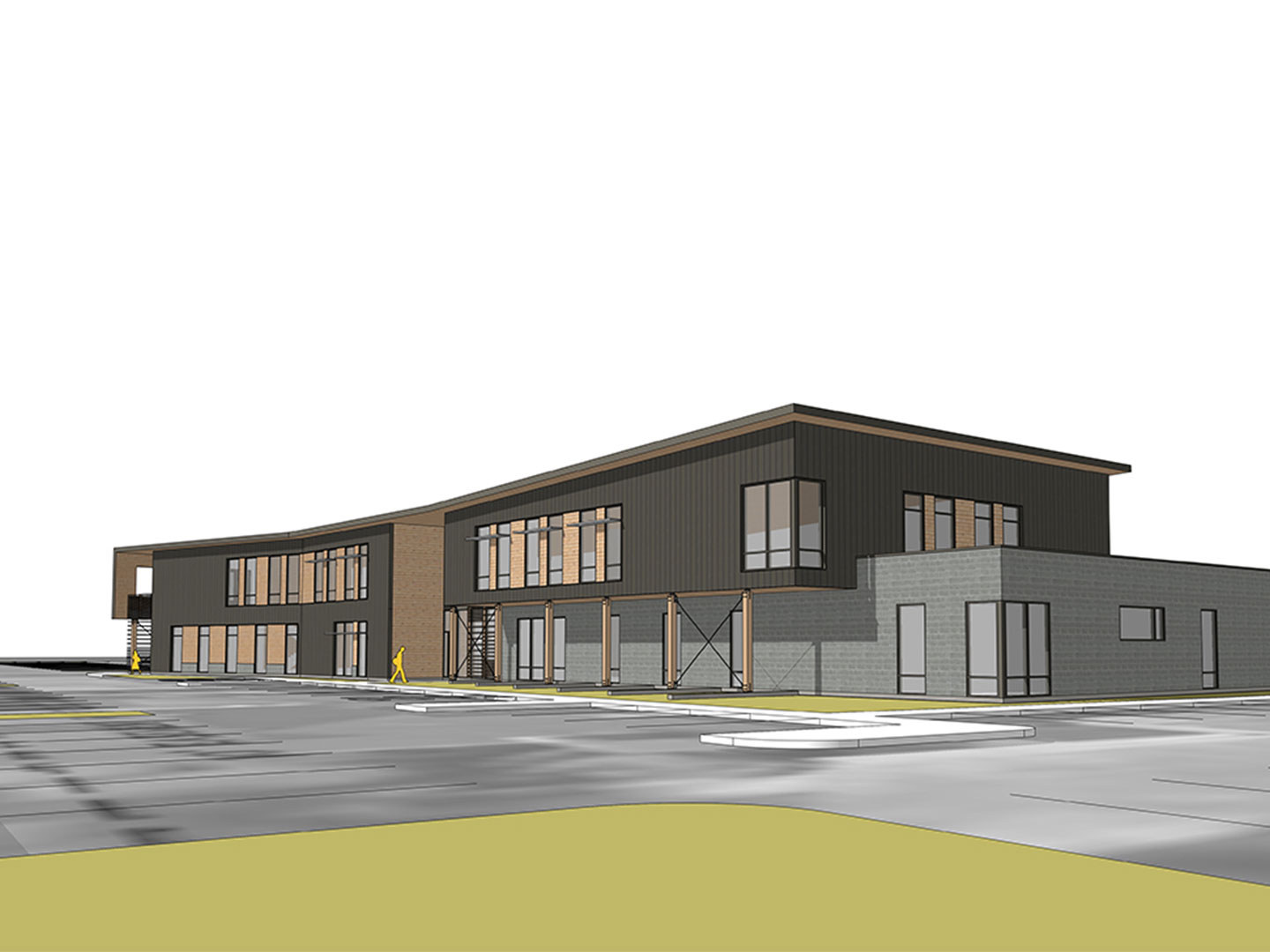
Hospitals and clinics in the Charleston medical district can't tolerate a leak over an OR or imaging suite, so this work is sequenced around infection control, continuous operation, and storm-season readiness.
Hotel and Hospitality Property Roofing
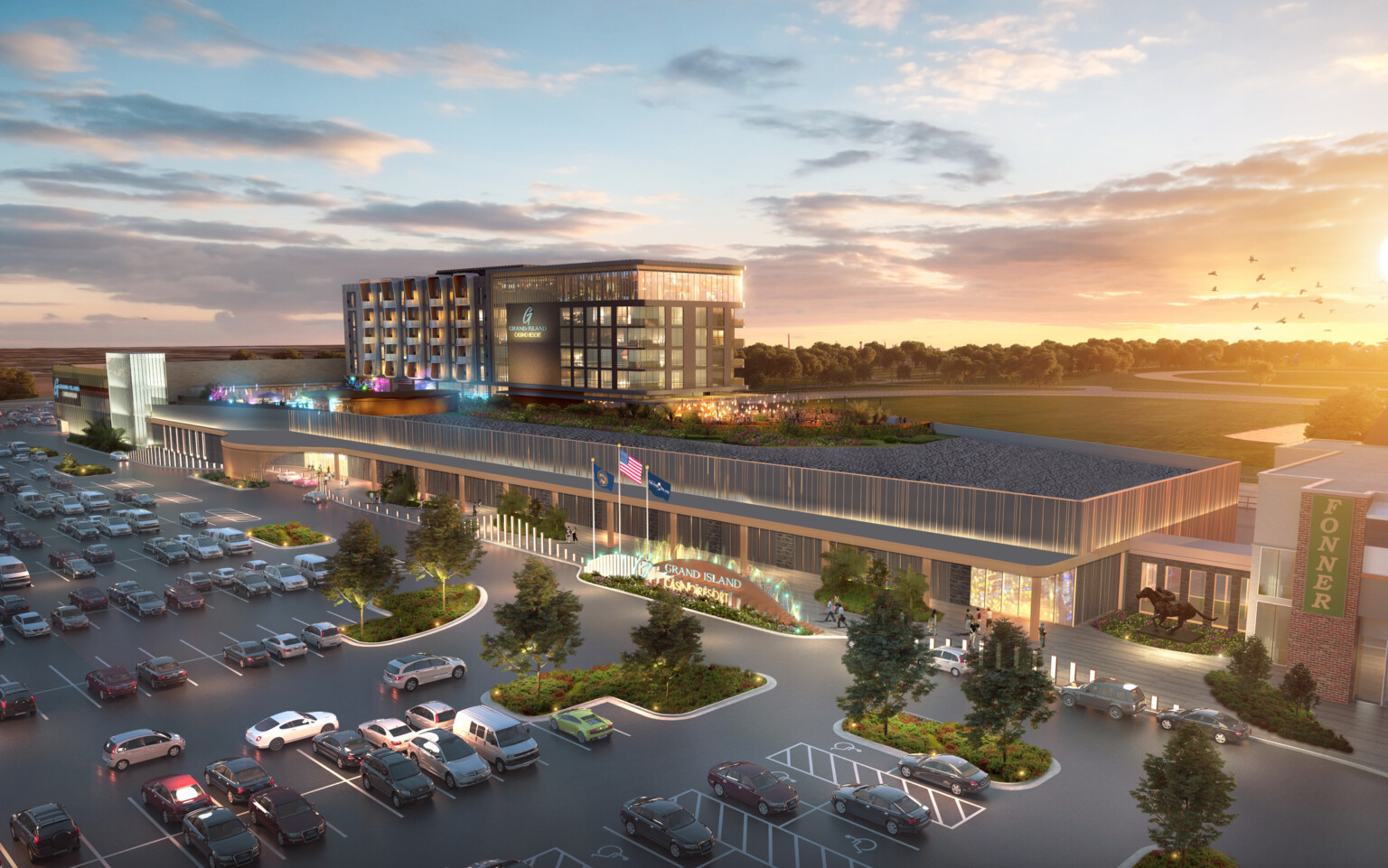
Waterfront and downtown Charleston hotels combine occupied guest floors with rooftop bars and mechanical decks; roofing here protects revenue rooms below while standing up to salt air and hurricane-season wind.
Humidity & Moisture Damage Roof Repair
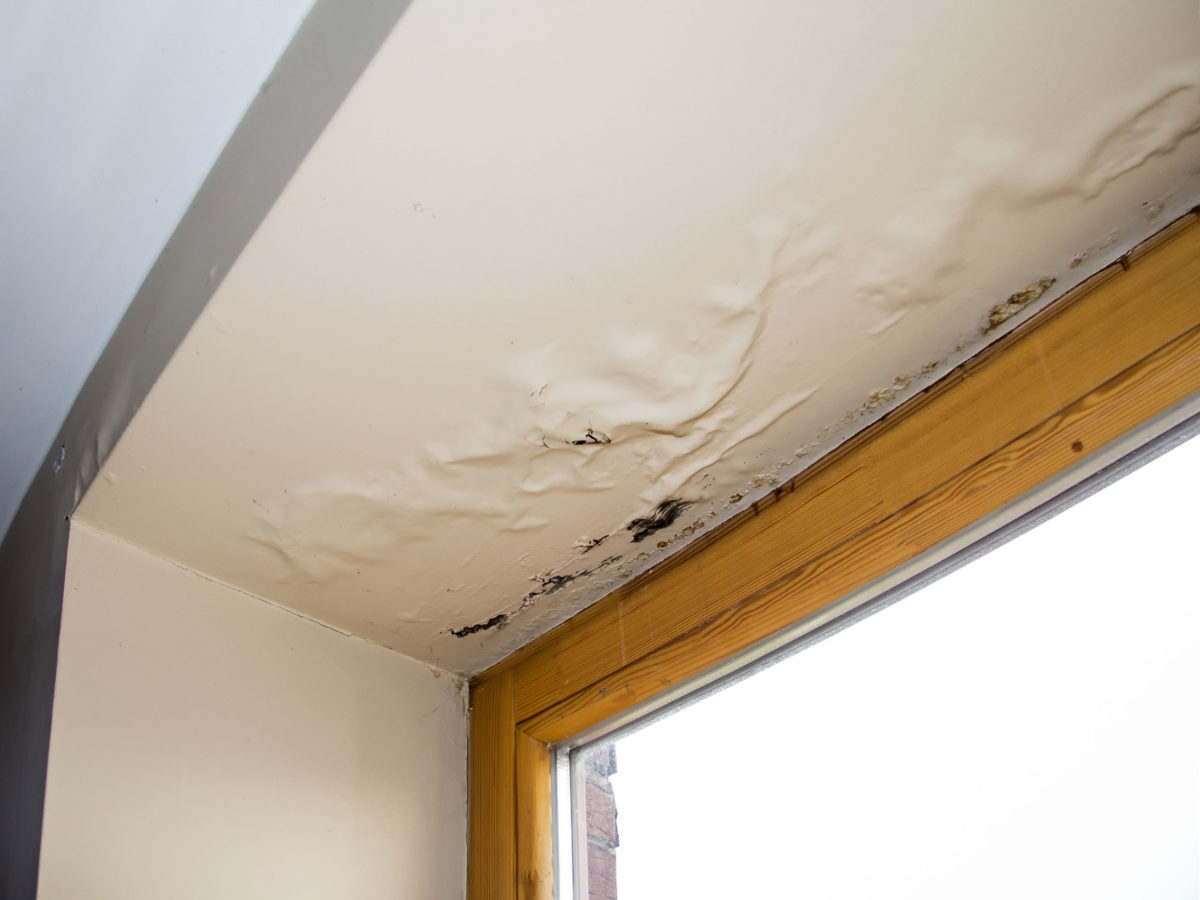
Charleston's chronic humidity drives moisture into insulation and decking long before a drip appears indoors, so this repair work targets saturated substrate and condensation paths, not just the visible stain.
Hurricane Roof Damage Repair
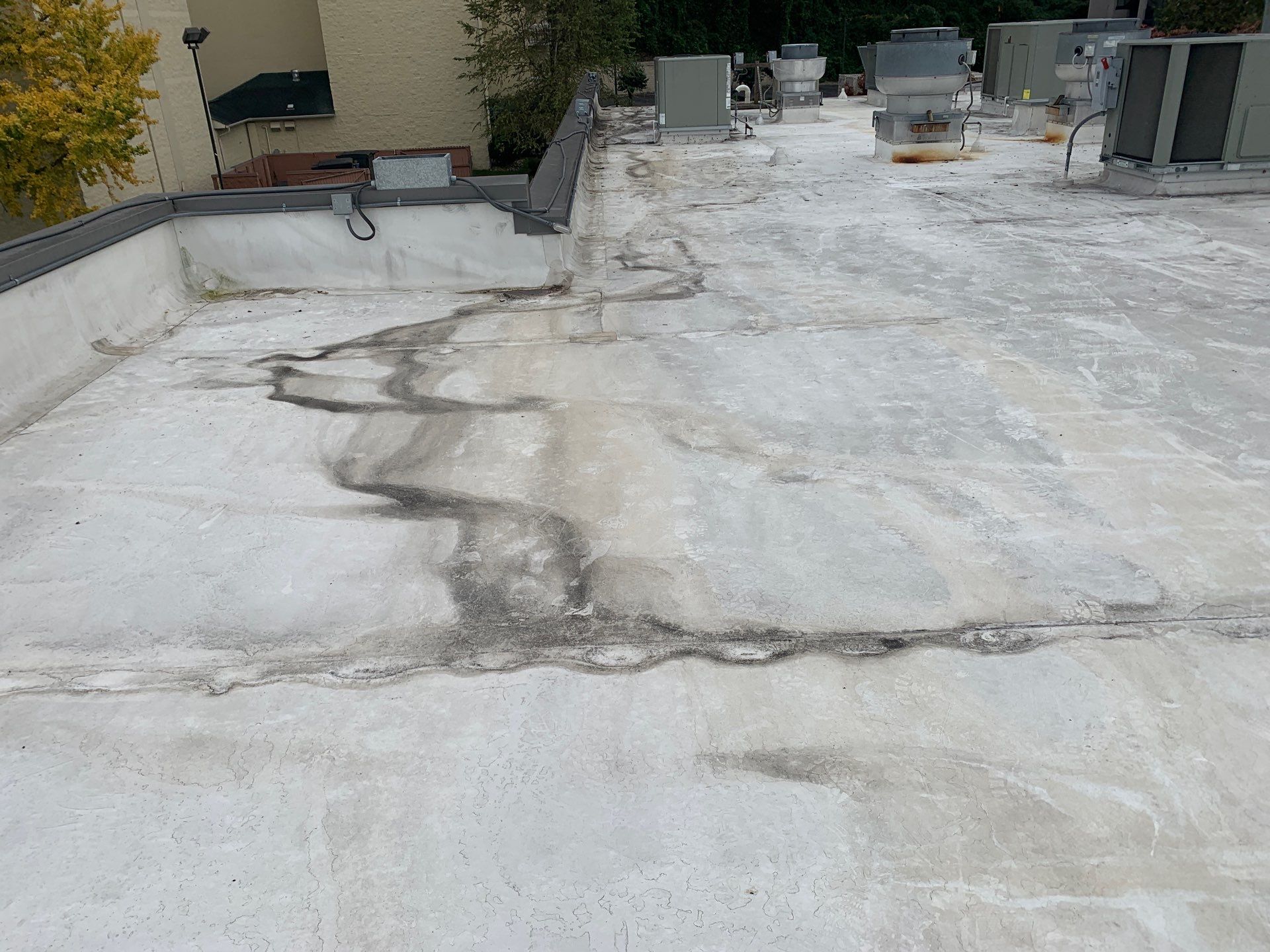
When a named storm strips membrane, tears flashing, or drives water under the system, we document the damage for the carrier and restore a Charleston roof to a wind rating built for the next one.
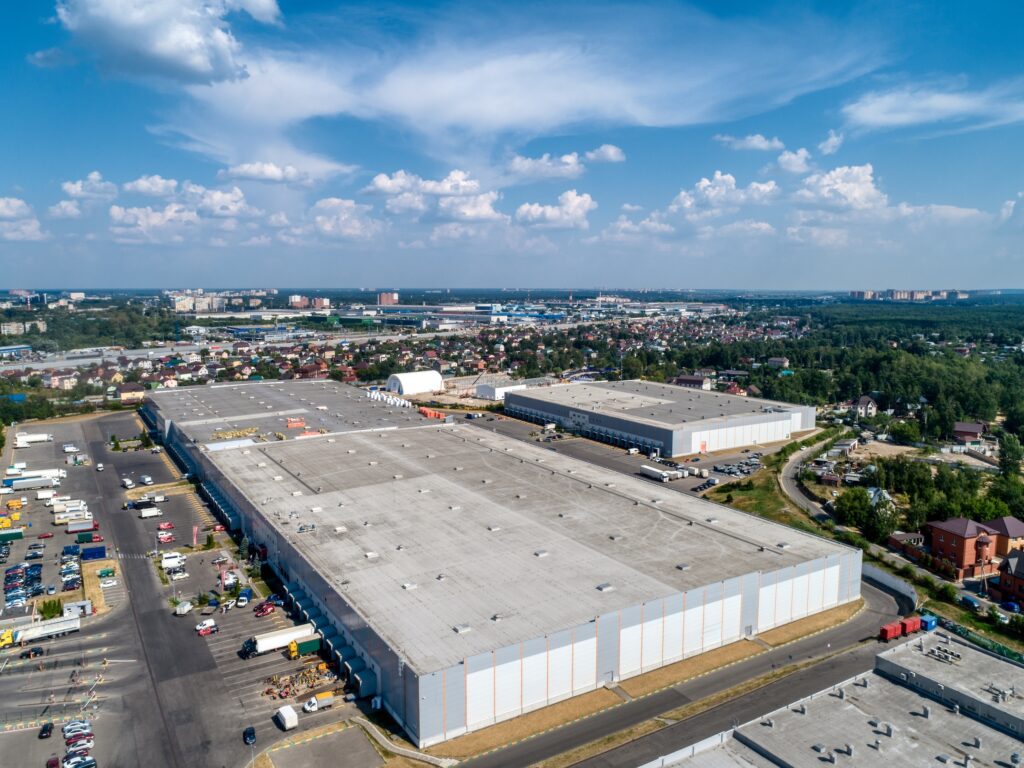
Industrial and Warehouse Roofing
The big low-slope roofs around the Port of Charleston and the I-26 corridor cover acres of inventory, where drainage design and a wind-rated membrane keep product dry through Lowcountry storm season.
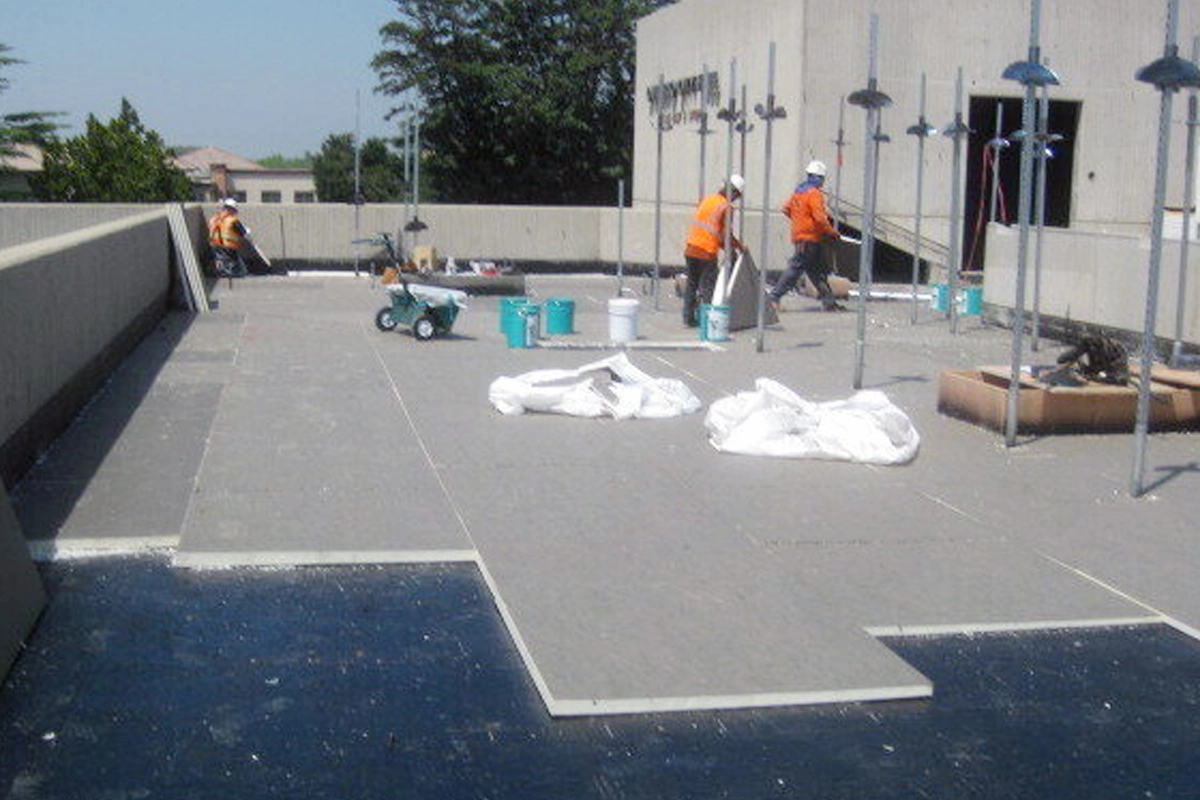
Insulation and Recovery Board
Adding insulation and recover board during a Charleston roof project lifts the building's energy performance and gives the new membrane a sound, dry substrate instead of locking old moisture under fresh material.
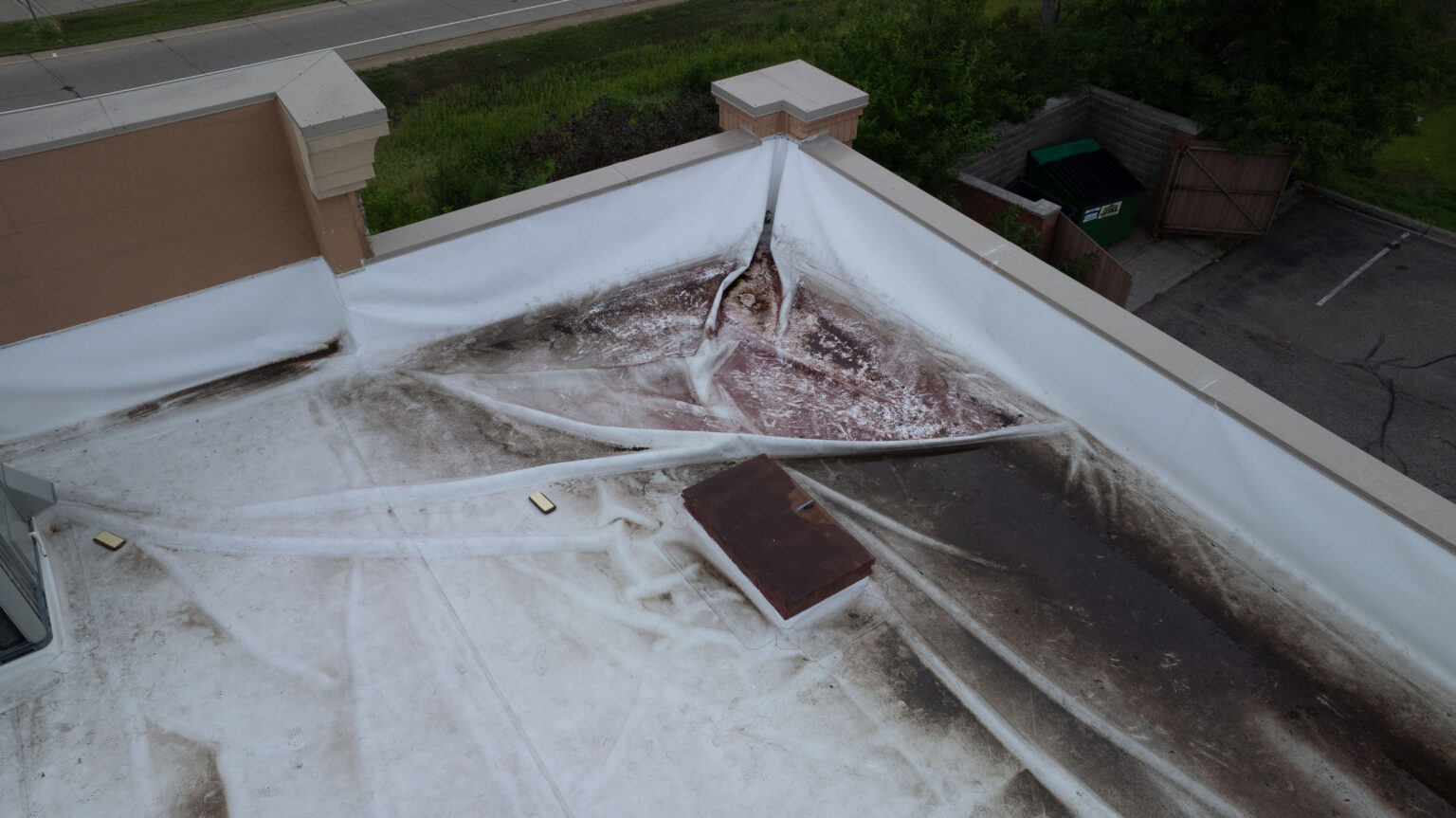
Insurance Claim Coordination
After Lowcountry storm damage, we document the roof the way an adjuster reads it, with dated photos and measured scope, so a Charleston owner's claim reflects the real repair rather than a lowball estimate.
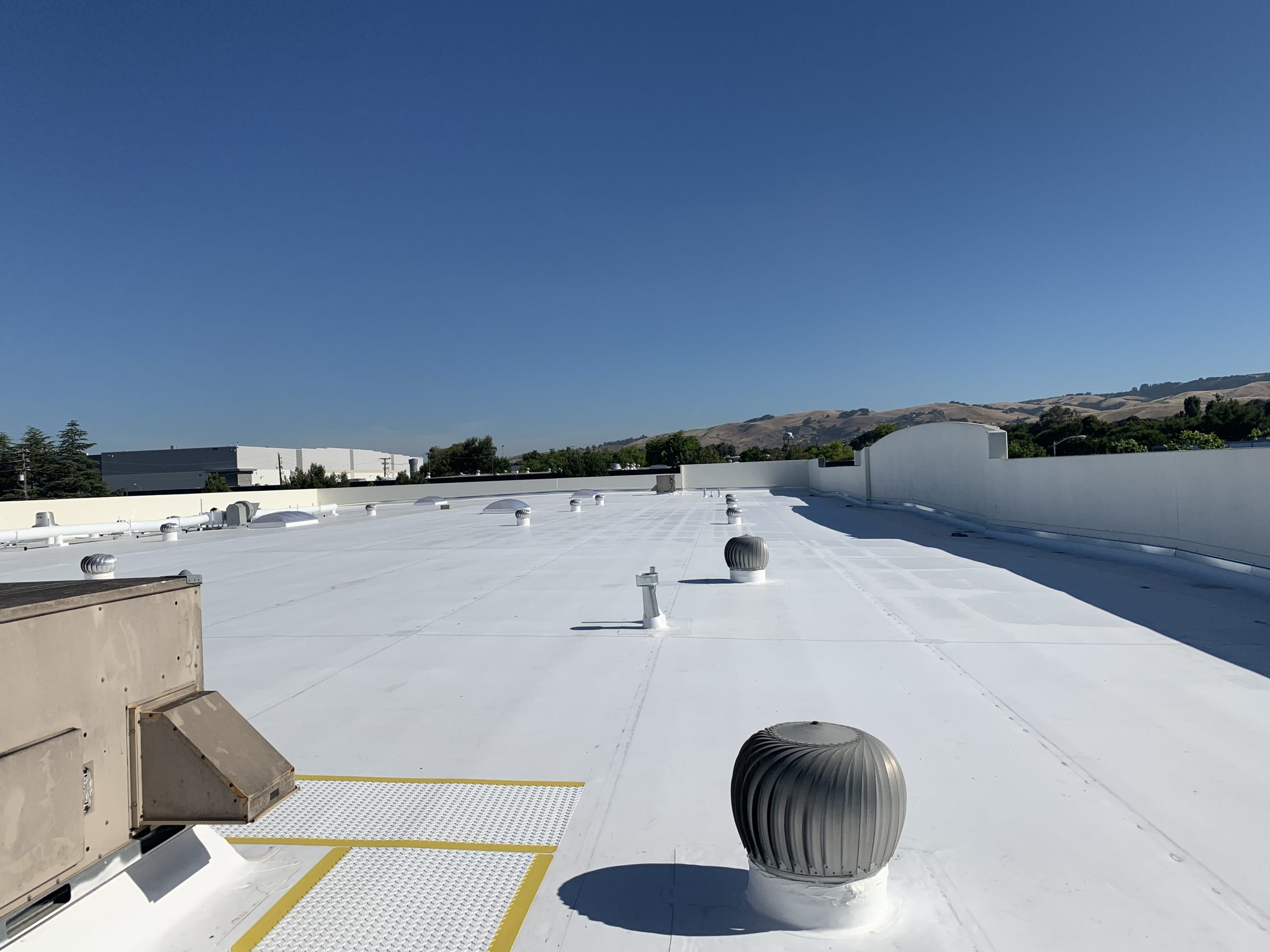
KEE Single-Ply Roofing
KEE single-ply holds its plasticizers far longer than standard PVC, a durable membrane choice for Charleston restaurants and plants where grease exhaust and intense coastal UV would prematurely age a lesser sheet.
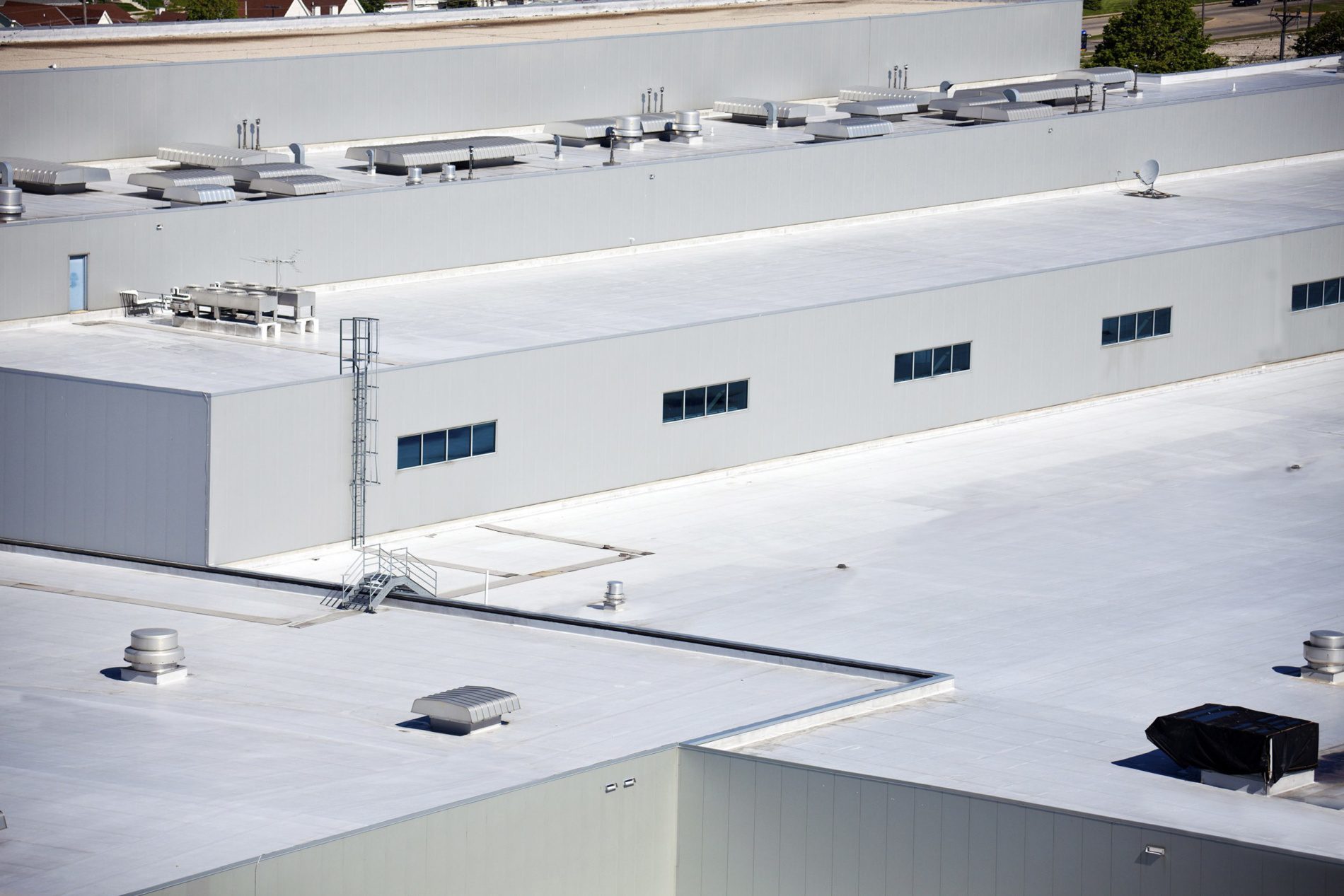
Manufacturing Facility Roofing
Plants like the ones feeding Boeing and Mercedes work near Charleston run processes that can't stop for a roof leak, so this work protects production lines and rooftop equipment without shutting the floor down.
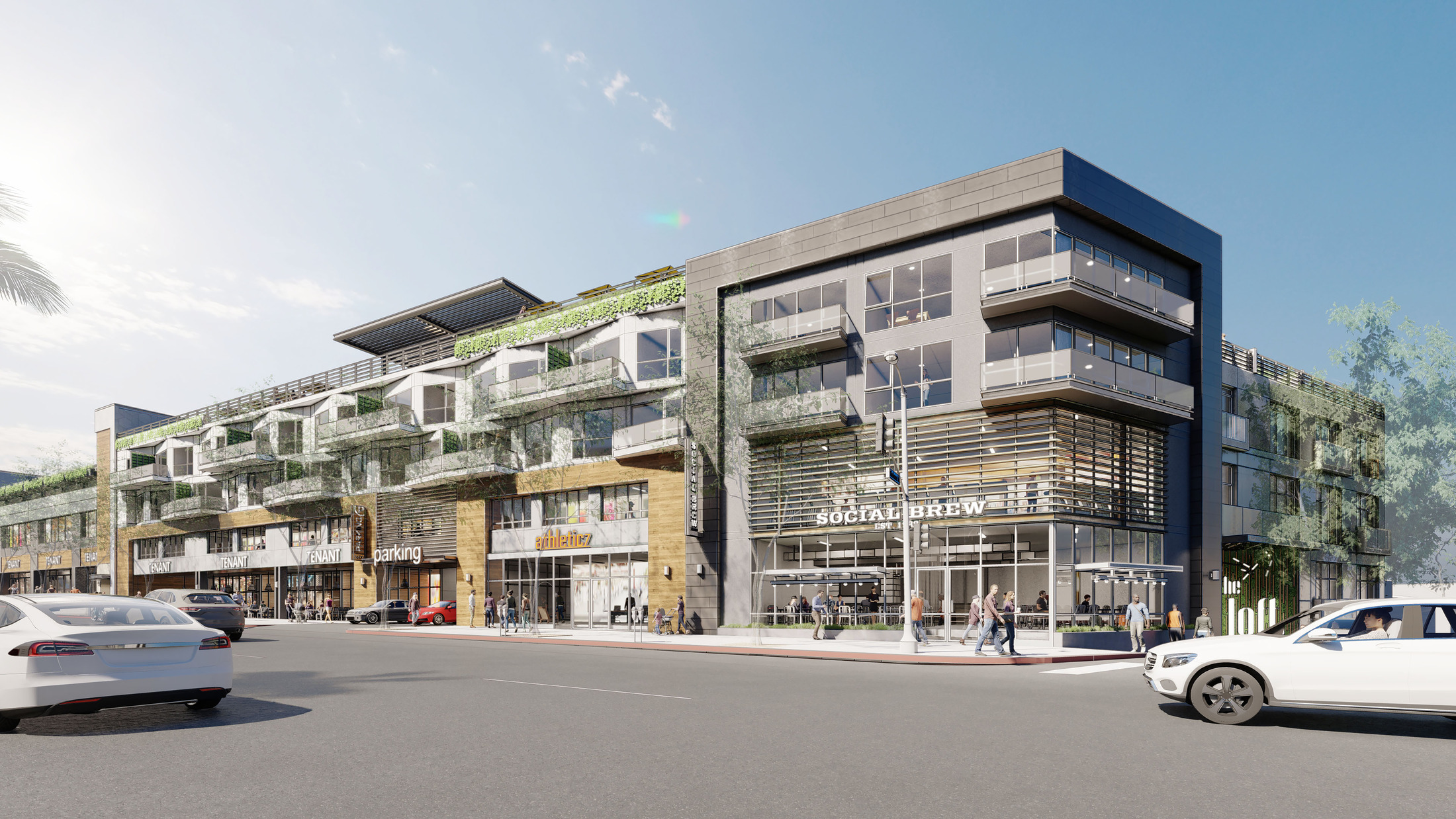
Mixed-Use Development Roofing
Mixed-use buildings on the peninsula stack retail, offices, and residences under one roof, where a single leak hits multiple tenants and the membrane has to satisfy both sound transmission and coastal wind code.
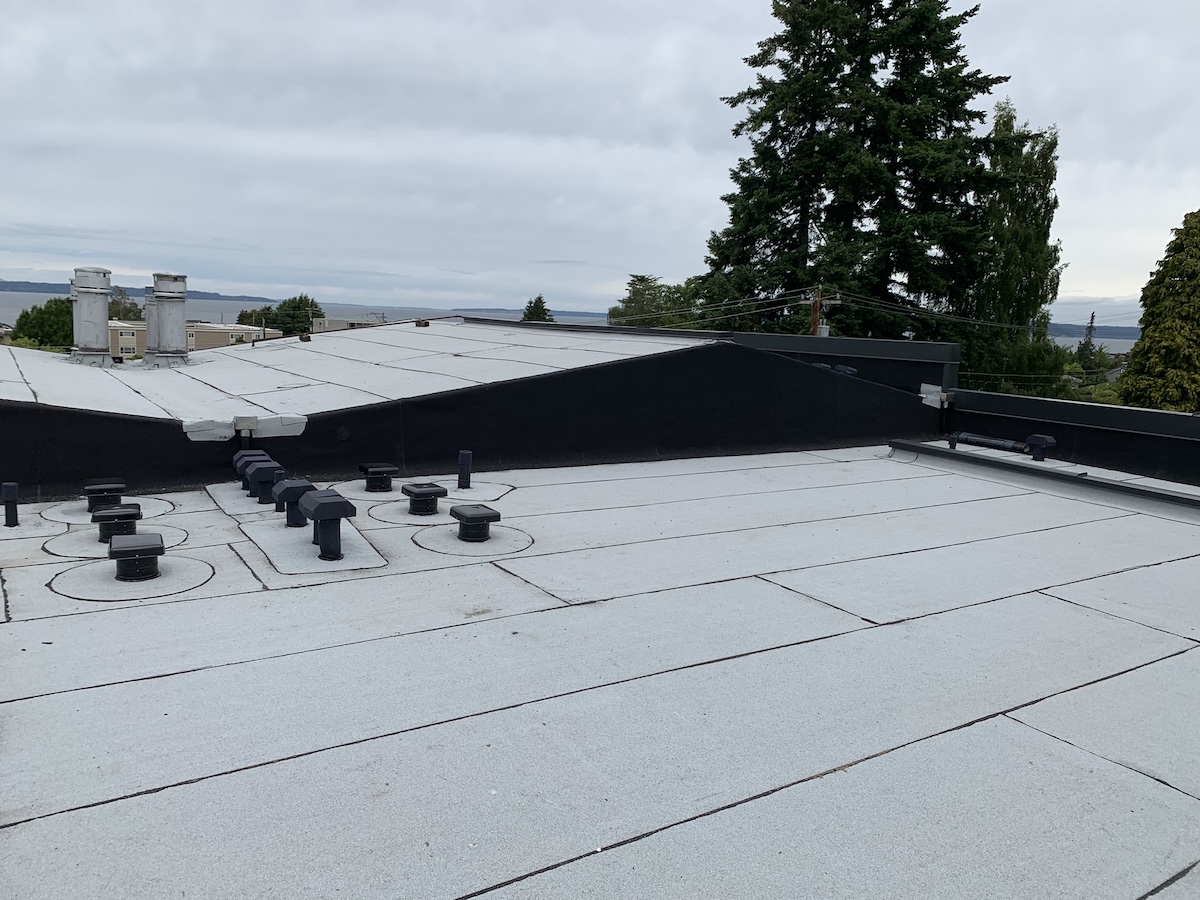
Modified Bitumen Roofing
Modified bitumen brings multi-ply, torch- or cold-applied toughness to Charleston roofs that see heavy foot traffic, a resilient low-slope system where the redundancy matters when subtropical storms hit.
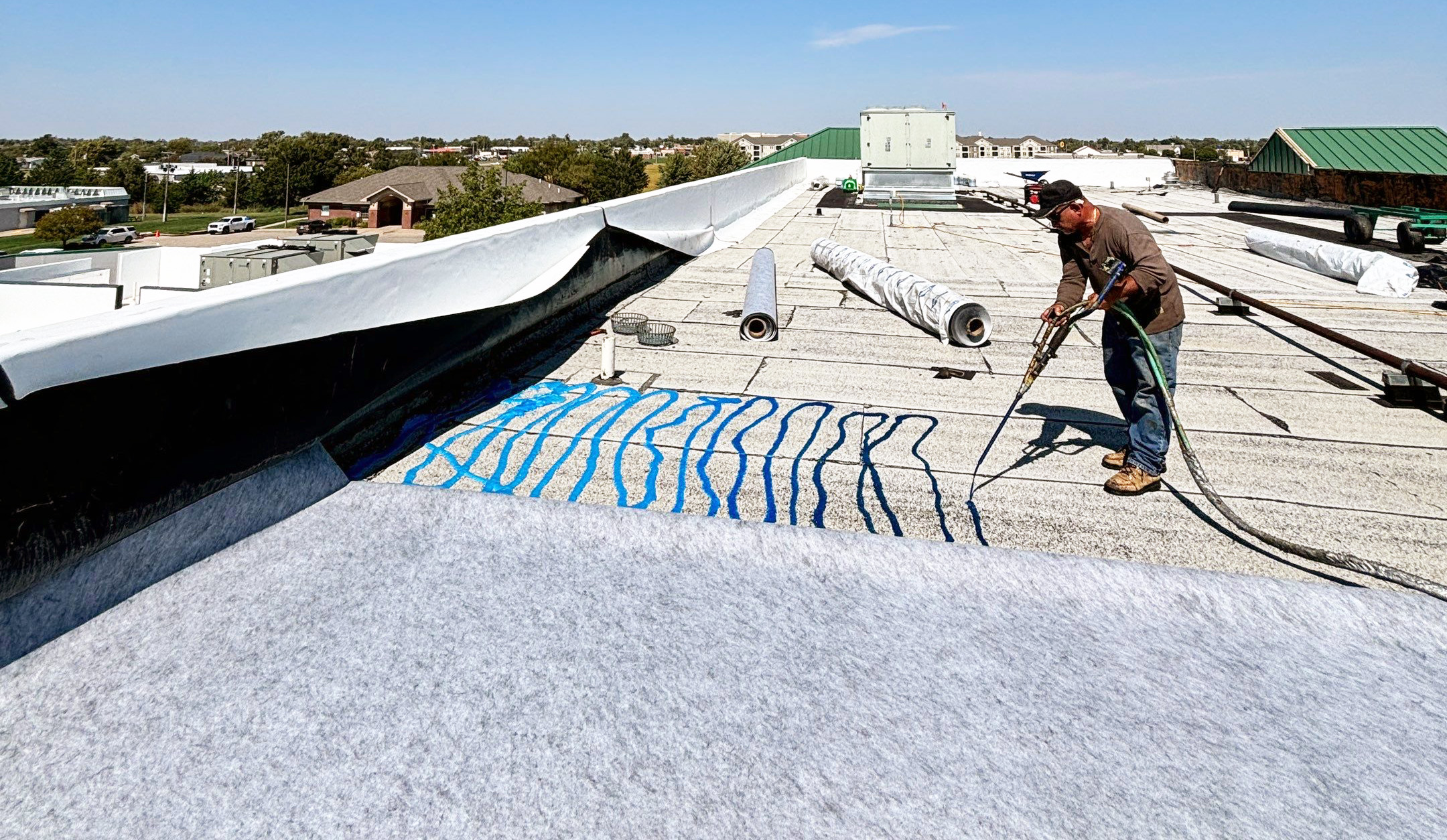
Multifamily and Apartment Building Roofing
Apartment and condo roofs across West Ashley and Mount Pleasant cover dozens of leases at once, so re-roofing is staged to keep residents dry and protect units from the wind-driven rain a Lowcountry summer delivers.
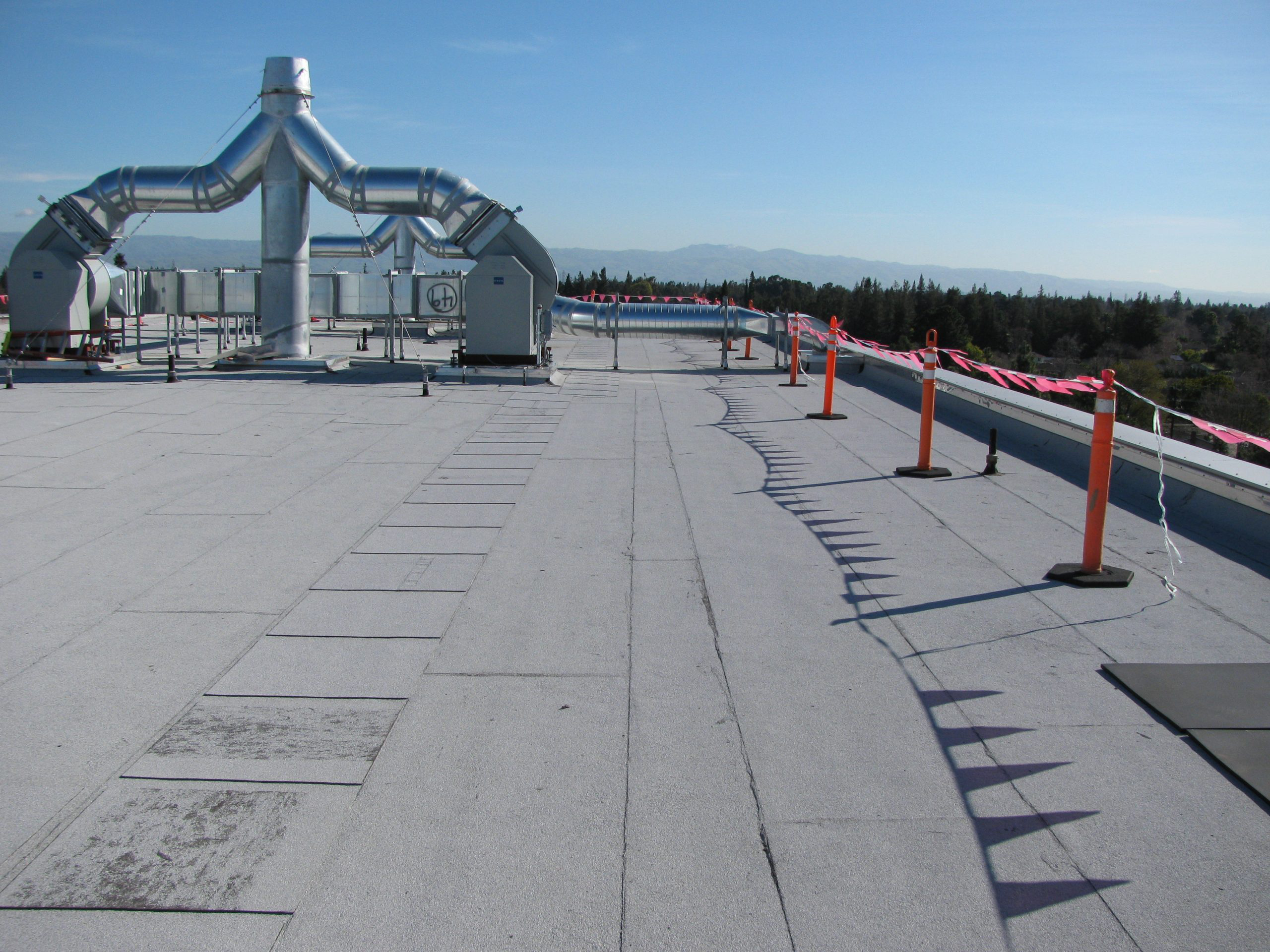
Occupied Building Re-Roofing
Re-roofing over a working Charleston building means phasing tear-off, controlling odor and noise, and keeping the interior watertight overnight so tenants never feel the project underway above them.
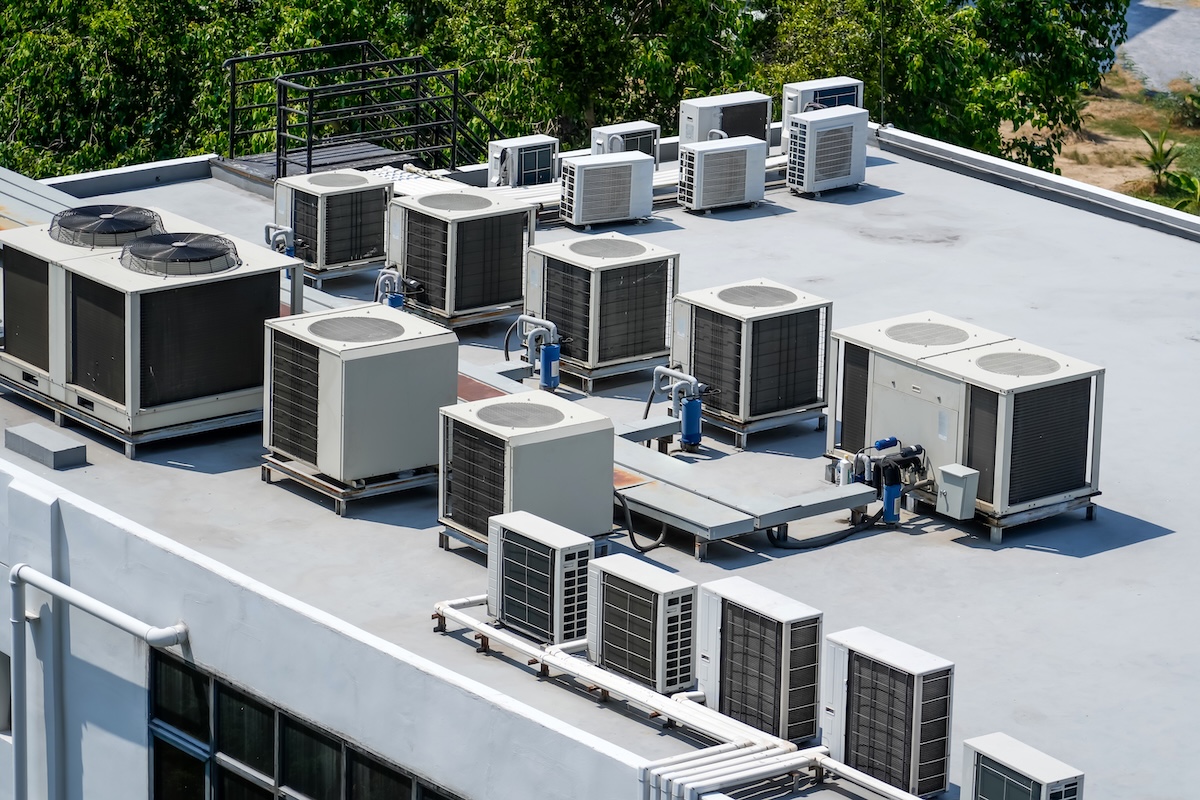
Office Building Roofing
Office roofs in the Charleston business corridors carry the HVAC that keeps tenants comfortable through a brutal summer, so the system is detailed for equipment access, drainage, and coastal wind from the start.
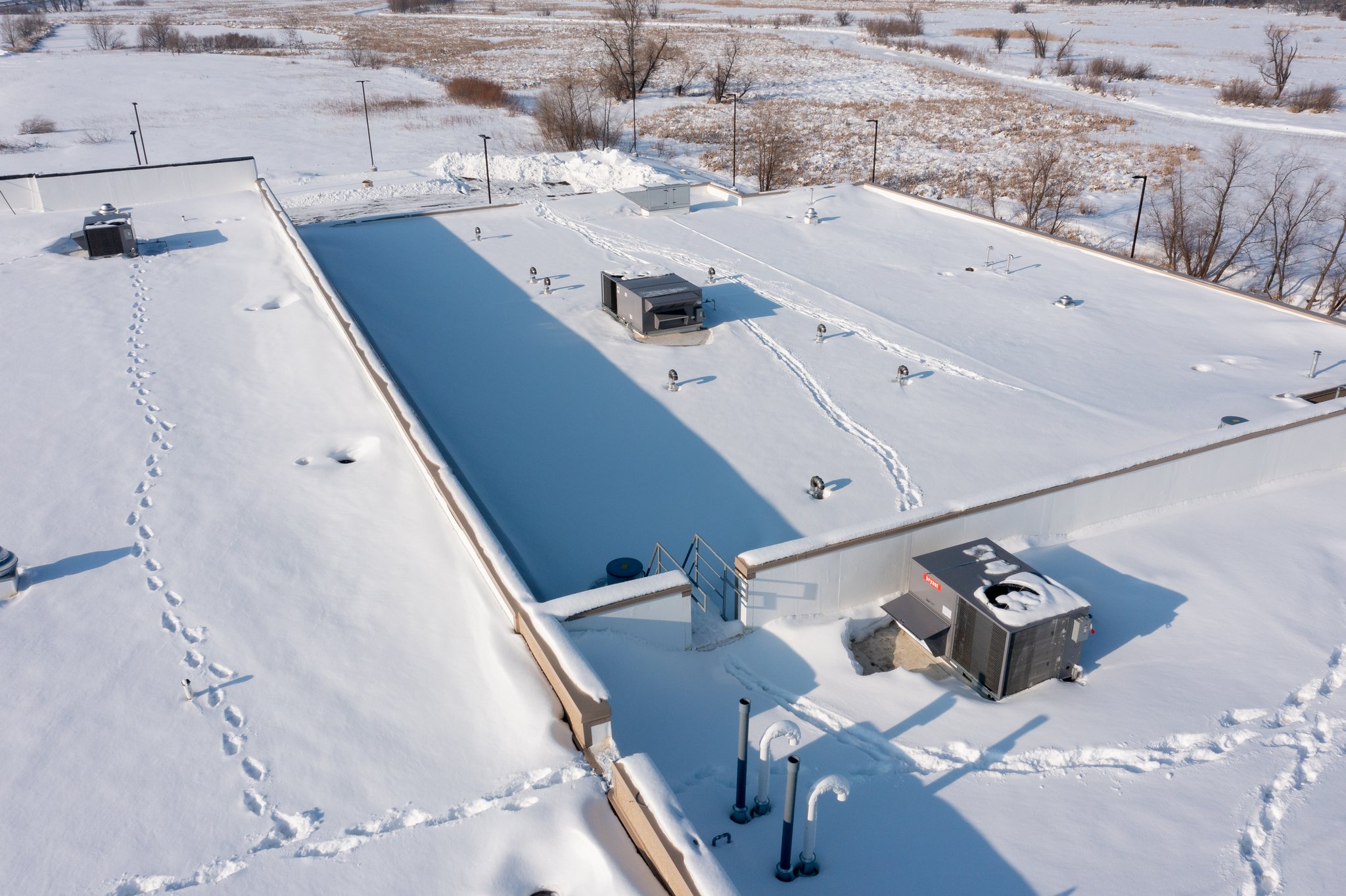
Preventive Maintenance Programs
A scheduled maintenance program puts a Charleston roof on a regular cadence of drain clearing, seam checks, and post-storm inspections, catching small failures before the next downpour finds them.
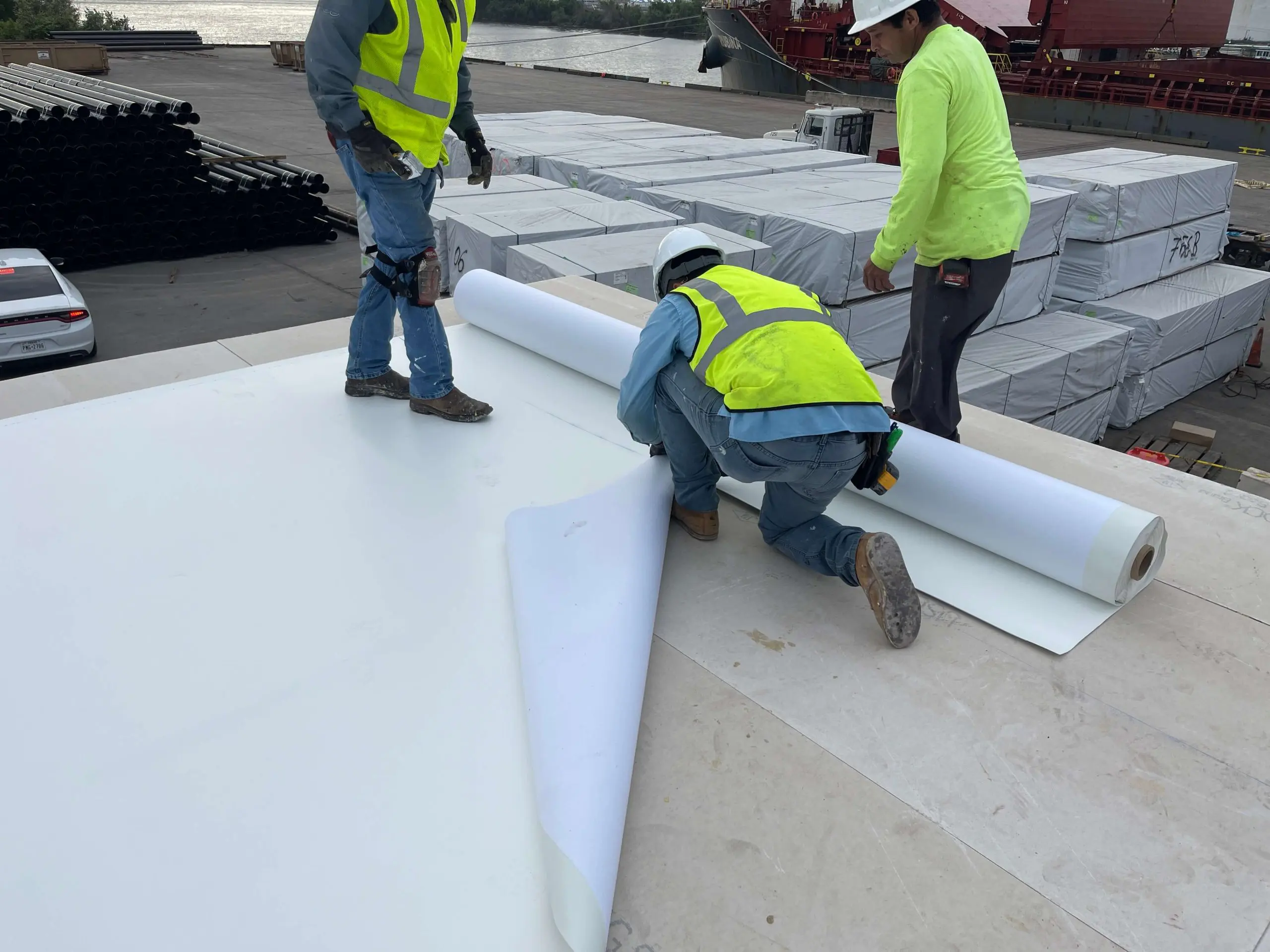
PVC Commercial Roofing
PVC's heat-welded seams and chemical resistance make it a strong fit for Charleston kitchens, labs, and plants, a single-ply membrane that handles grease, salt air, and the Lowcountry sun in one system.
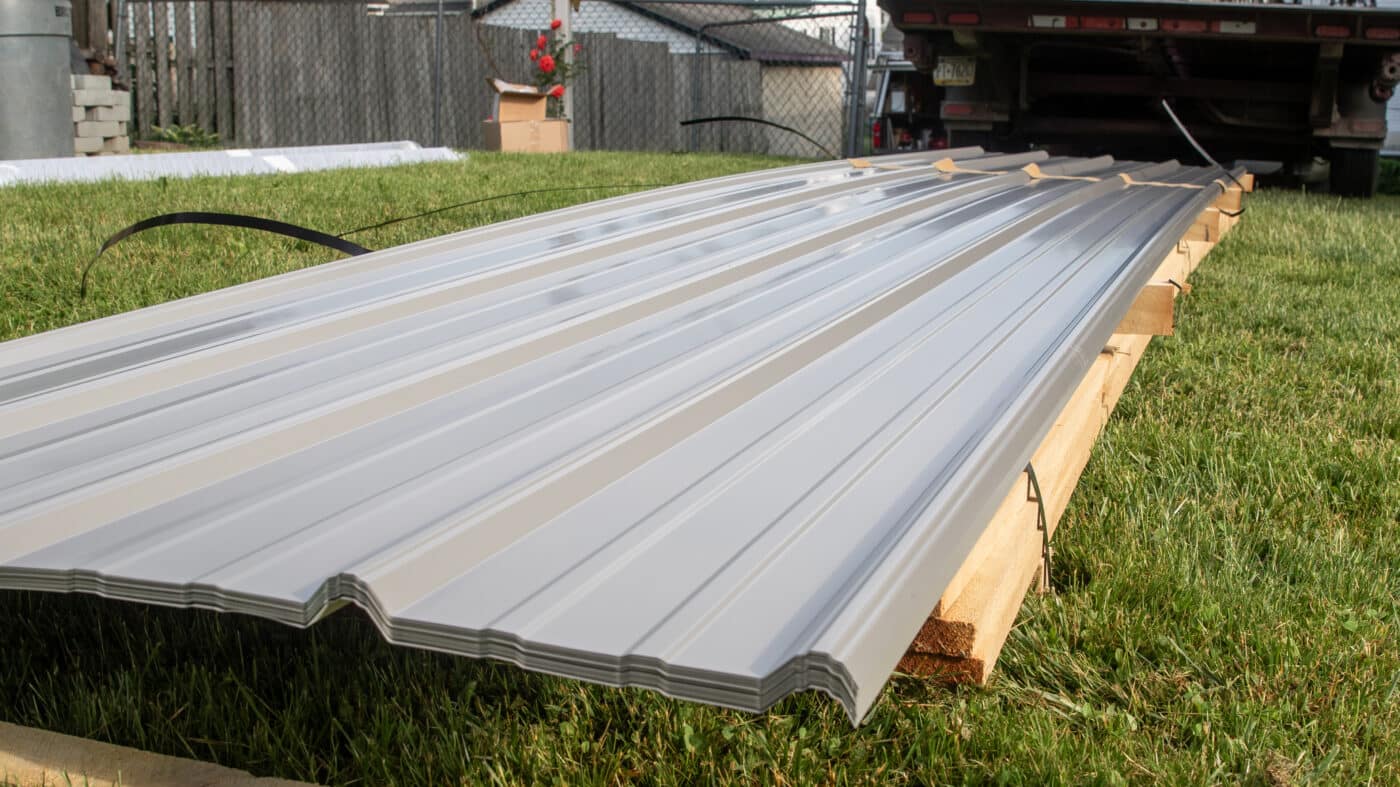
R-Panel Metal Roofing
R-panel metal covers Charleston warehouses and ag-style structures economically, and we fasten and seal these exposed panels for the wind uplift and salt exposure a coastal metal roof has to survive.
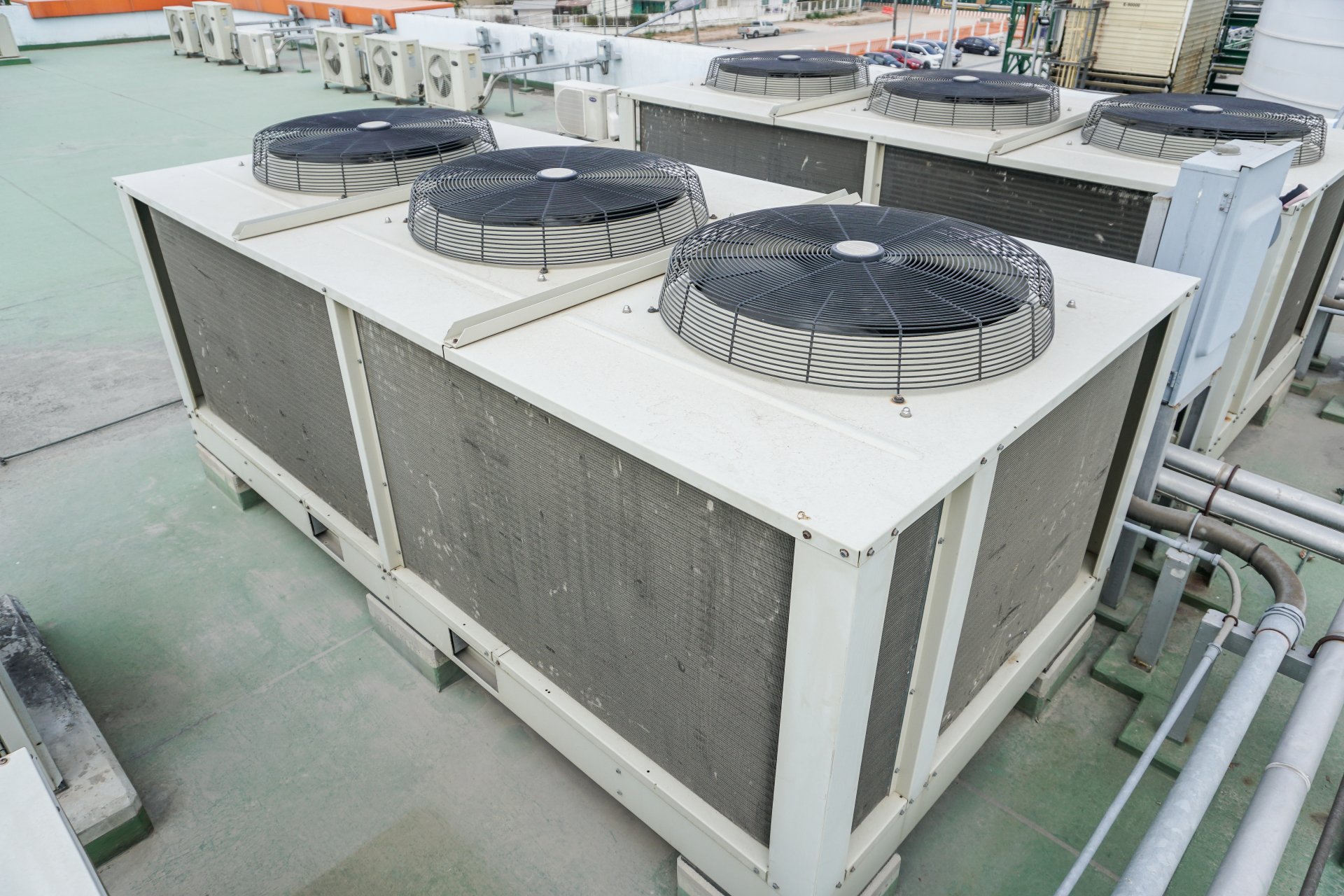
Restaurant and Food Service Building Roofing
Restaurant roofs from King Street to Mount Pleasant battle grease-laden kitchen exhaust and ponding around rooftop units, so the membrane and flashings here are chosen to resist both while the dining room stays open.
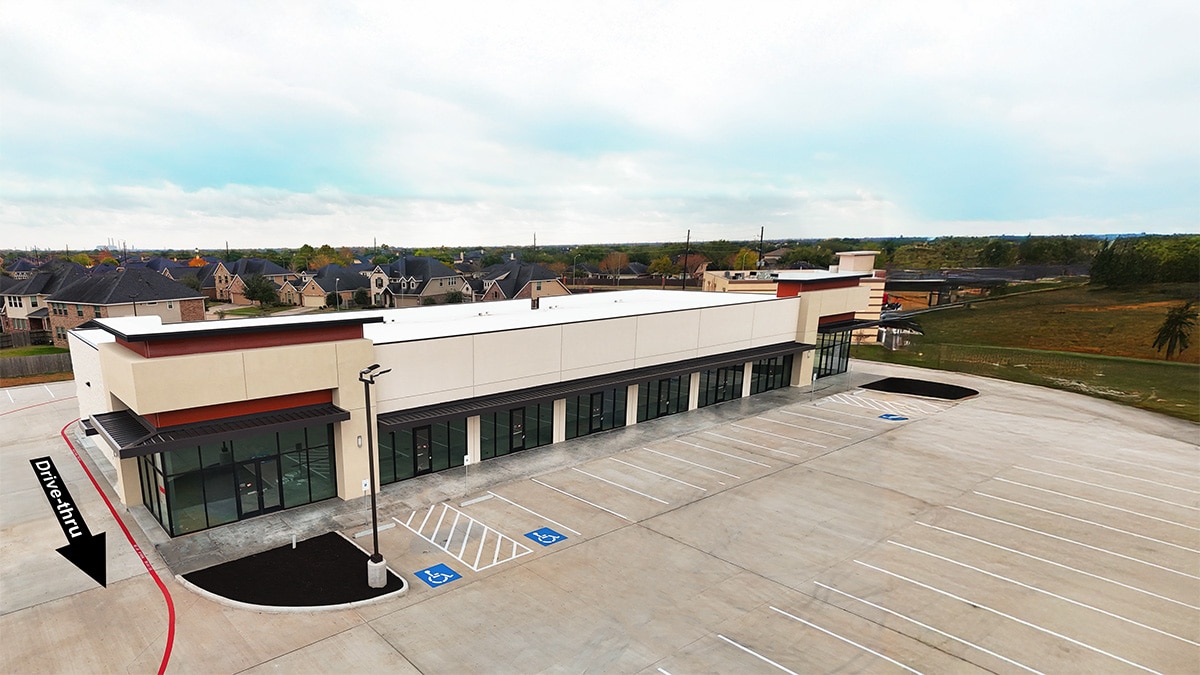
Retail and Shopping Center Roofing
Shopping centers and strip retail across the Charleston metro depend on a dry sales floor, where multi-tenant roofs need clear drainage and tight curb flashings to keep storm water out of every storefront below.
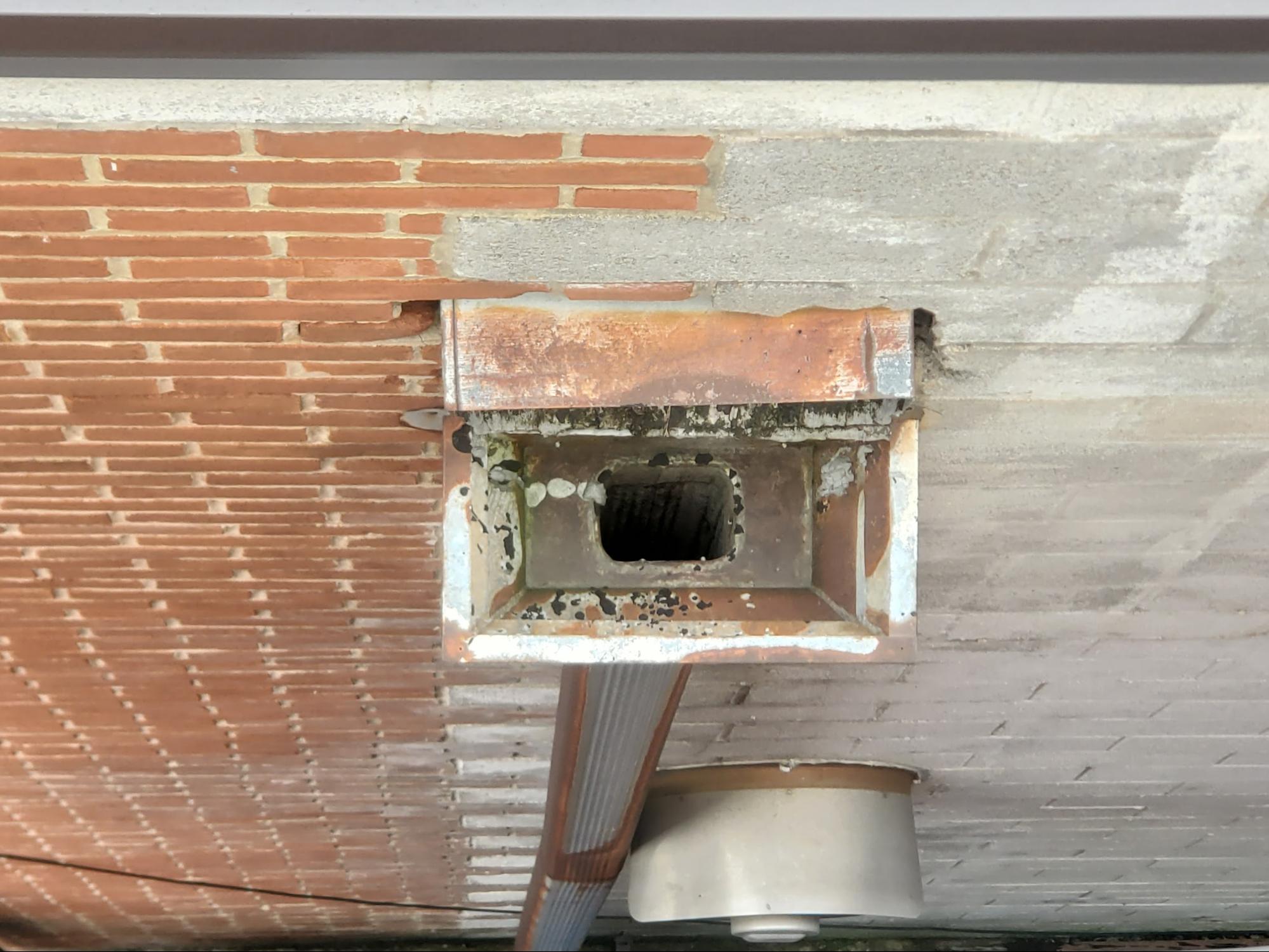
Roof Drains and Scuppers
Charleston's downpours arrive fast and heavy, so properly sized drains and scuppers are what keep a flat roof from ponding into a structural load between the cloudburst and the next high tide.
Roof Recover and Overlay
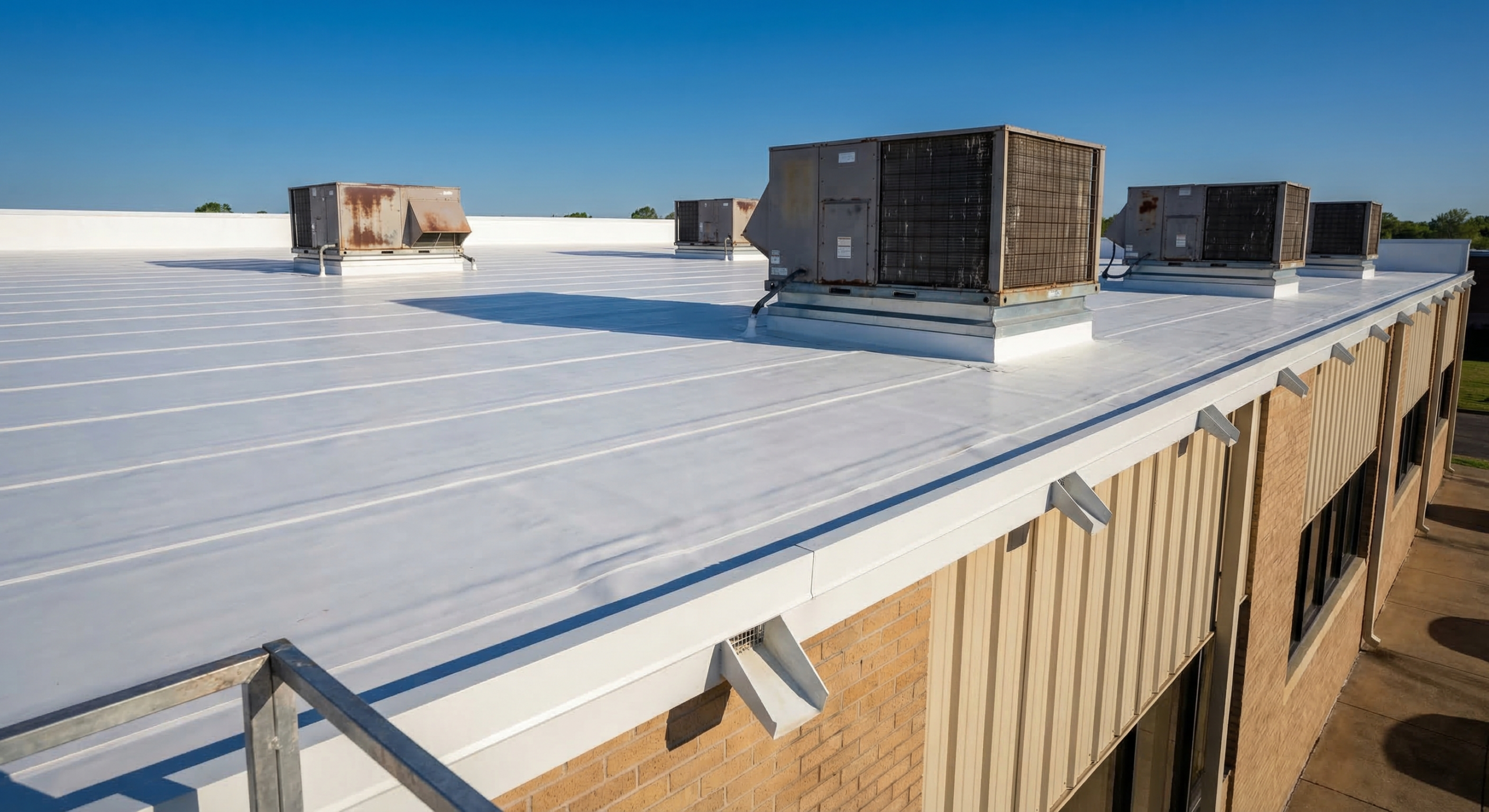
A recover overlay installs a new membrane over a sound existing one, sparing a Charleston owner a full tear-off when the deck is dry and the schedule and budget can't absorb a complete replacement.
Roof Tear-Off and Replacement
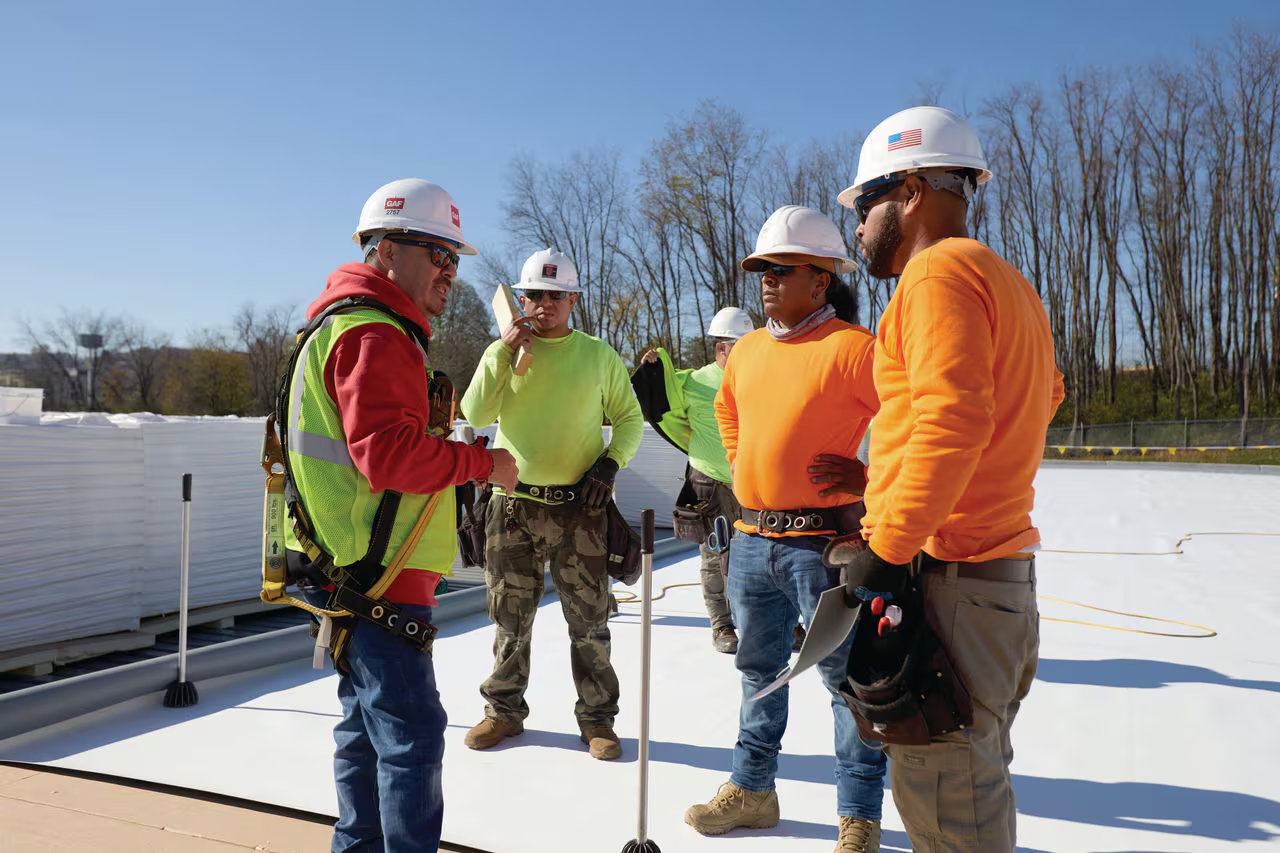
When the substrate is saturated or the system is past saving, a full tear-off and replacement gives a Charleston building a clean dry deck and a membrane engineered for current coastal wind code.

Salt-Air Metal Roof Repair
Salt-laden air off the harbor accelerates corrosion at fasteners, seams, and panel edges, so metal-roof repair on a coastal Charleston building targets the rust before it perforates the panel and lets water in.
School and K-12 Educational Building Roofing
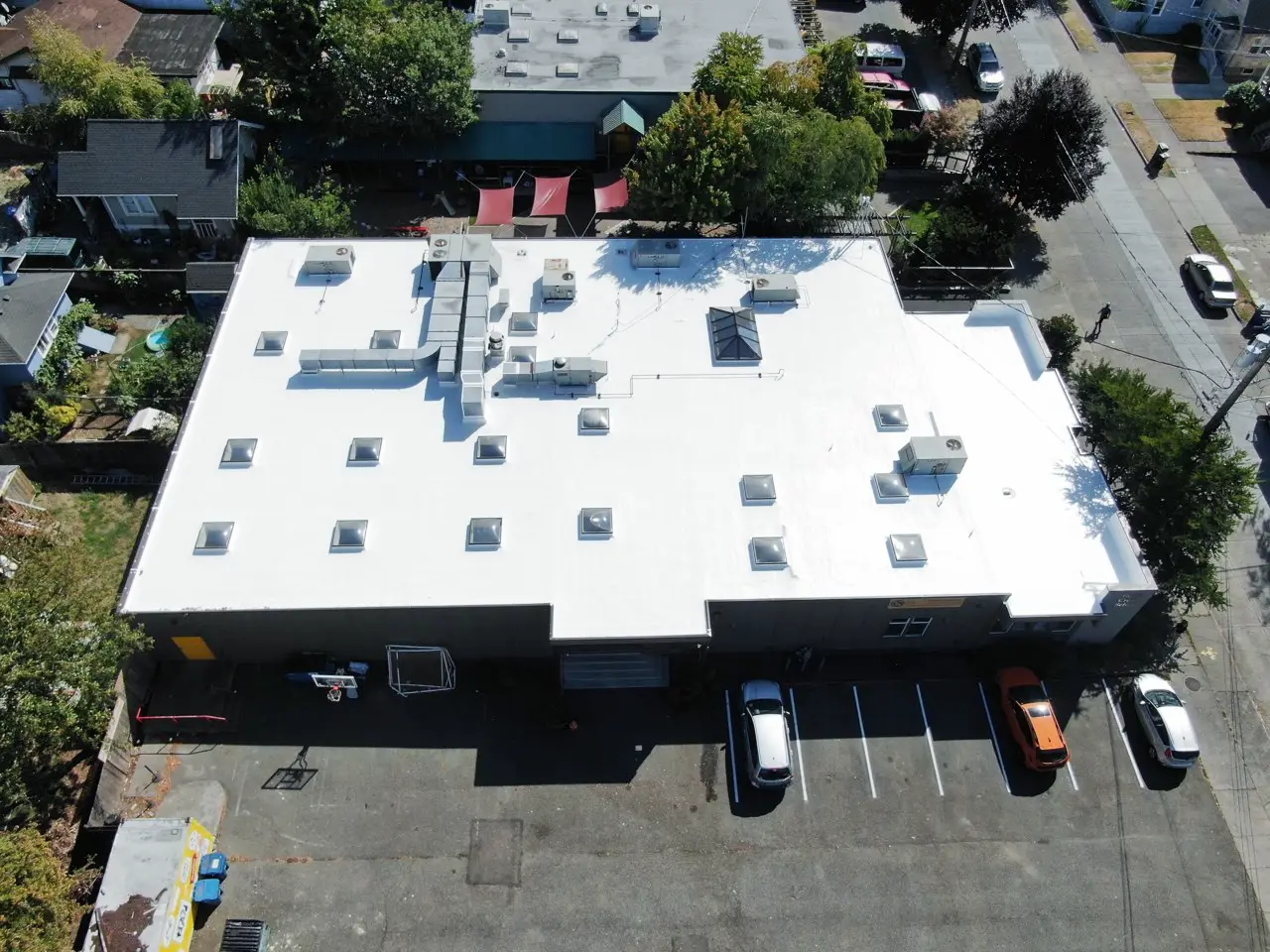
K-12 roofs around Charleston County get re-roofed on the summer calendar so students return to dry classrooms, with low-slope systems sequenced to clear the building before the first August storm.
Self-Storage Facility Roofing
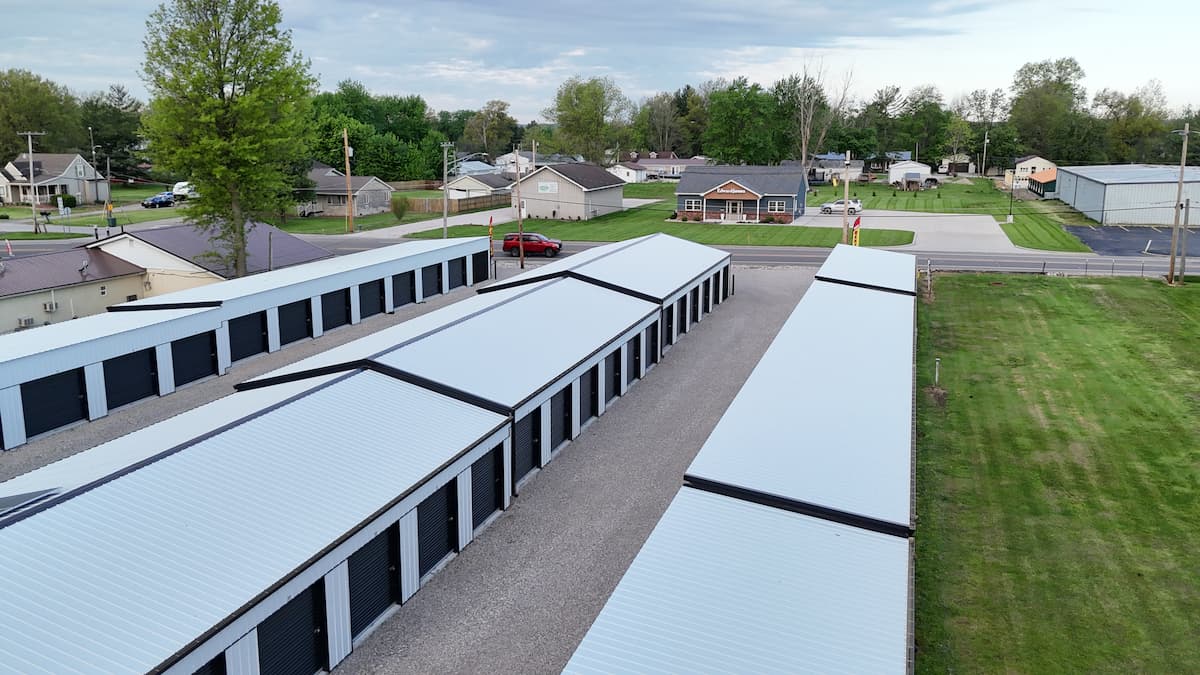
Self-storage roofs cover long, low rows where a single leak ruins customers' belongings, so these Charleston facilities get tight membrane seams and drainage built for sudden Lowcountry rain.
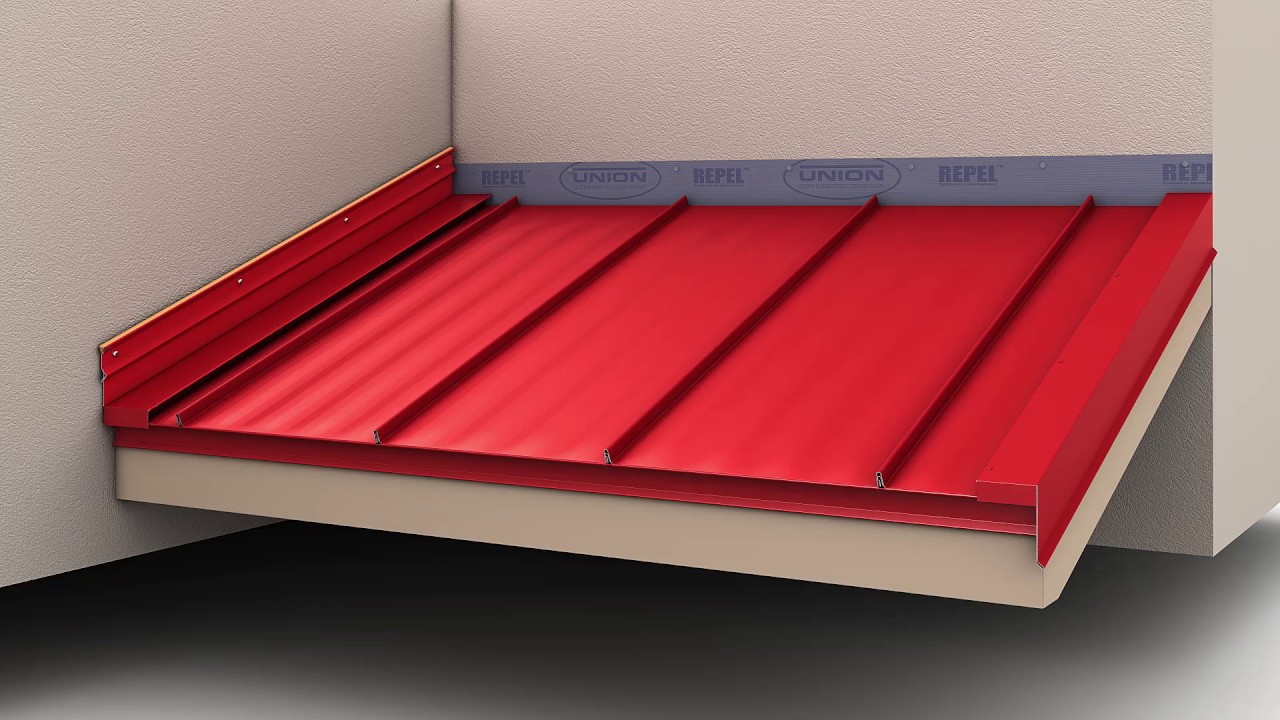
Skylight and Penetration Flashing
Every skylight, pipe, and curb is a potential leak path, and on a Charleston roof we flash these penetrations to shed wind-driven rain that a flat detail would let slip under the membrane.
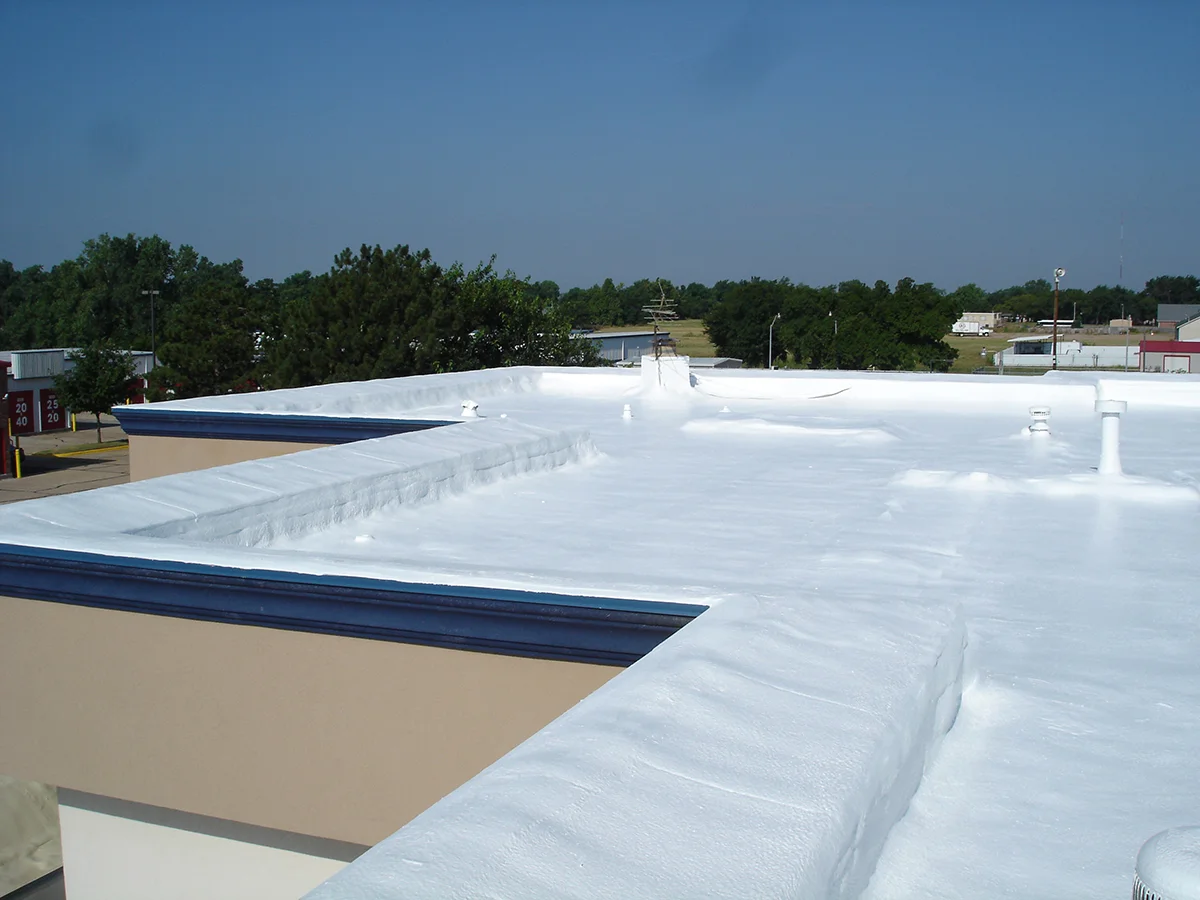
Spray Foam Roofing
Spray foam delivers a seamless, insulating, self-flashing surface that suits Charleston's irregular older roofs, sealing the countless penetrations that let humid air and water into a low-slope assembly.
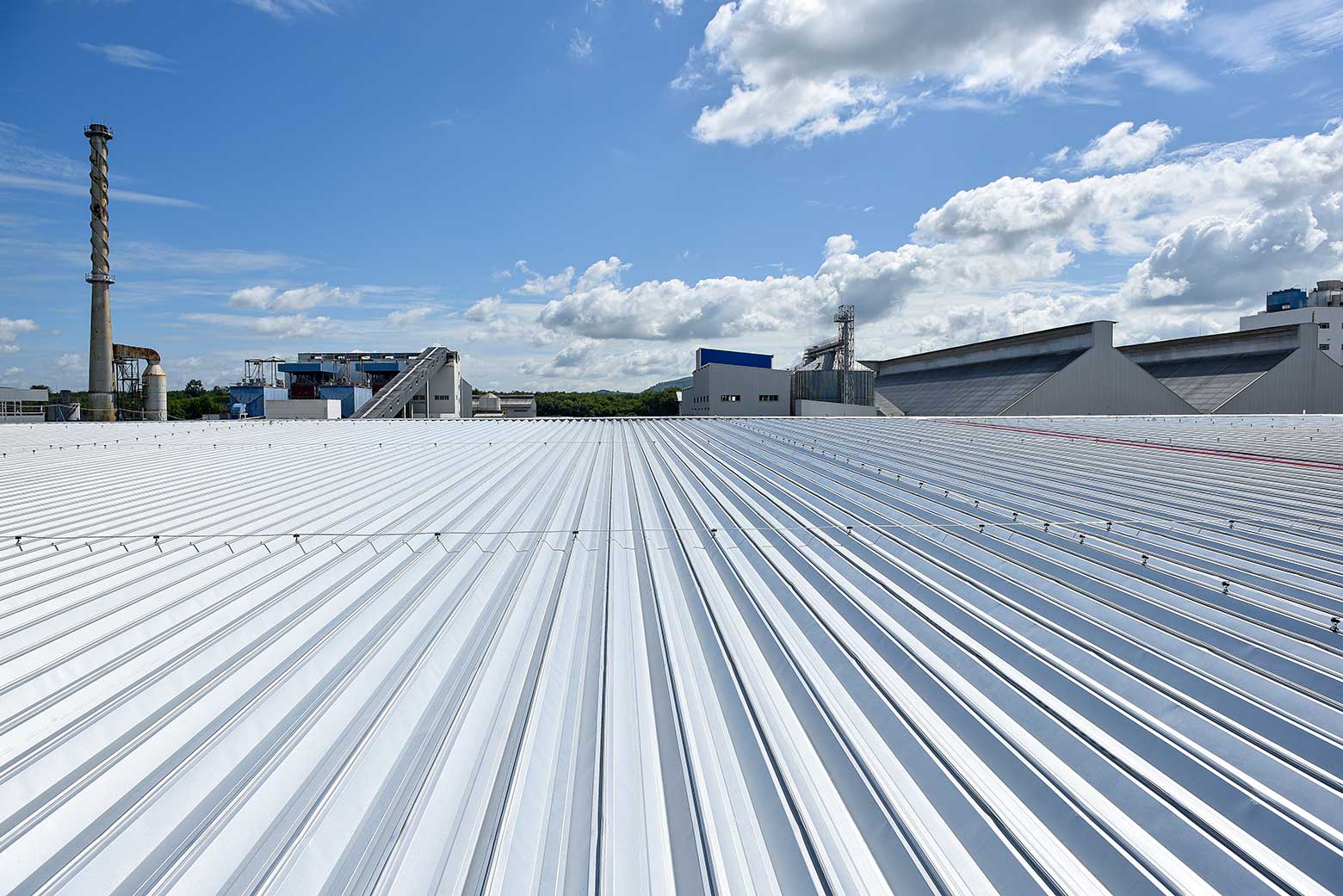
Standing Seam Metal Roofing
Standing seam's concealed fasteners and clean lines fit Charleston civic and architectural projects, a metal system whose hidden clips and tall ribs handle thermal movement and coastal wind without exposed leak points.
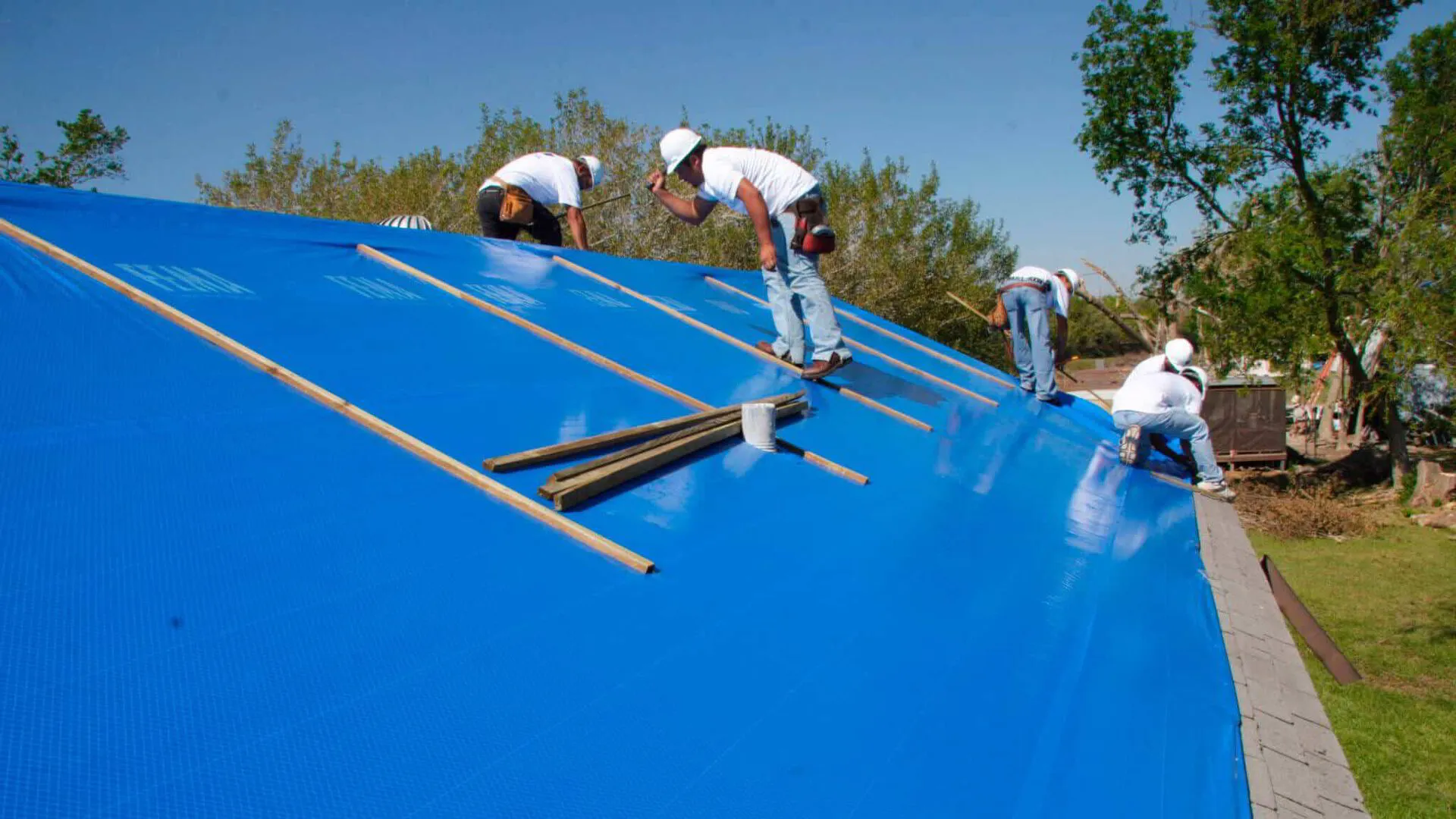
Storm Damage Roof Repair
Lowcountry thunderstorms and tropical systems leave torn flashing, loosened seams, and punctured membrane, and this repair work restores the roof's integrity and documents the damage before the next front arrives.
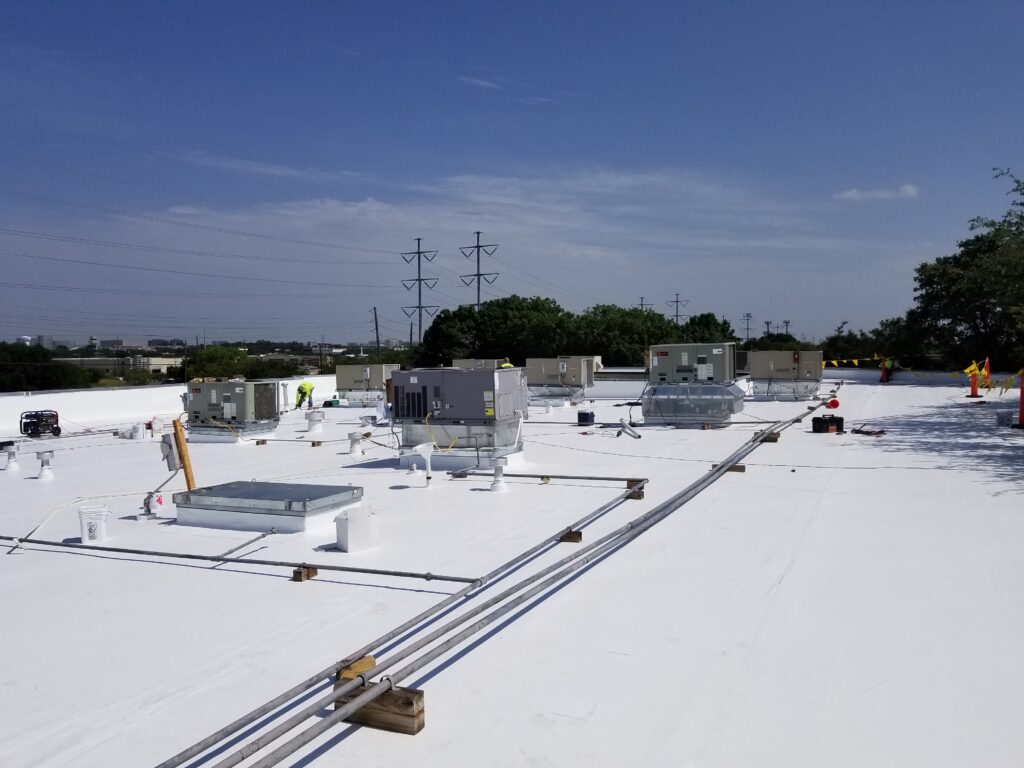
TPO Single-Ply Roofing
TPO's white reflective surface and heat-welded seams make it a workhorse on Charleston warehouses and retail, cutting cooling load while resisting the UV and ponding a flat coastal roof faces.
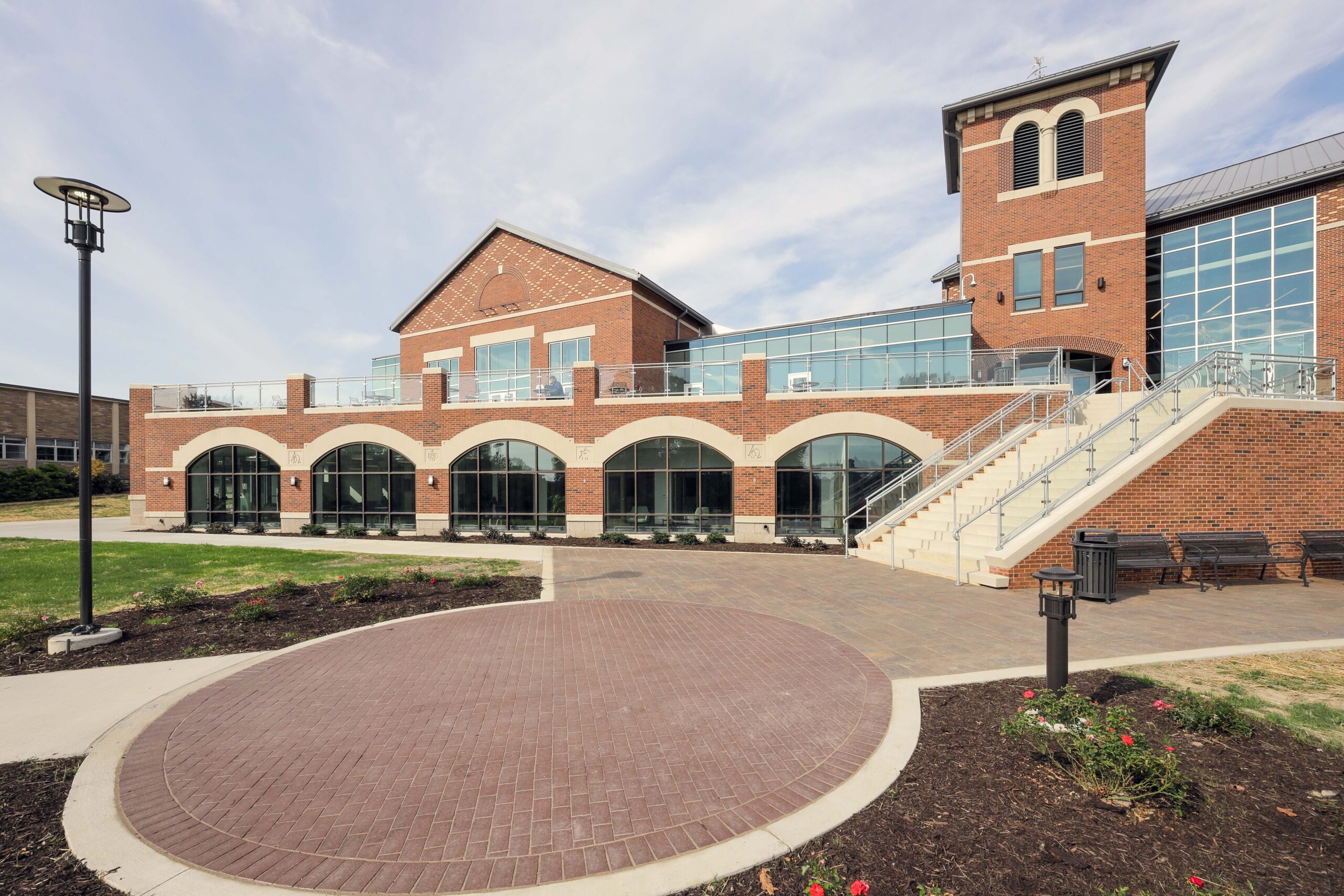
University and College Campus Roofing
Campus roofs across Charleston's colleges span historic masonry buildings and modern science halls, so the work is coordinated around academic calendars, research equipment, and the coastal wind these structures must meet.
Warehouse and Distribution Center Roofing
Distribution roofs along the Charleston port and interstate corridor protect freight on tight turn schedules, where a wind-rated membrane and engineered drainage keep dock operations running through storm season.
Contact Us
Plan
With
Us.
Send the roof address, access notes, roof age if known, leak photos, and any operating limits below the roof. We will map the first roof walk around the building, weather window, and urgency of the issue.
Get In Touch