
Roof Work
Restaurant and Food Service Building Roofing in Charleston, SC.
Charleston's food service scene is one of the most celebrated in the American South, driven by the renowned dining corridor along East Bay Street and the lower King Street restaurant.
Request Roof WalkRestaurant and
Food Service Building Roofing
Roof Scope Notes
Charleston's food service scene is one of the most celebrated in the American South, driven by the renowned dining corridor along East Bay Street and the lower King Street restaurant district that has attracted national food media attention for more than a decade. The city's cuisine identity - Lowcountry cooking, fresh Atlantic seafood, the she-crab soup and shrimp and grits traditions that define local menus - coexists with a QSR and fast casual infrastructure along Savannah Highway, Sam Rittenberg Boulevard, and the commercial strips of the North Charleston corridor that serves the region's working population. The rapidly growing Mount Pleasant restaurant market along Coleman Boulevard and the Towne Centre development, the James Island and West Ashley dining corridors, and the ghost kitchen operations that have emerged in North Charleston's industrial zones all share exposure to a climate that is as demanding for commercial roofing as any in the Southeast: coastal humidity, hurricane season from June through November, and the tidal flooding dynamics of a city built on a low-lying peninsula.
Hurricane risk is the defining weather event concern for commercial roofing in the Charleston market, and food service buildings are among the most vulnerable because their flat or low-slope roofs carry the highest density of penetrations - each one a potential catastrophic failure point during tropical storm wind events. Hurricane Dorian came within meaningful proximity to Charleston in 2019, and Matthew and Irma brought significant wind and rain to the area in prior years. Charleston restaurant operators who invest in wind uplift-engineered roofing systems - with attachment patterns calculated for South Carolina's coastal wind exposure zone rather than standard inland specifications - have dramatically better outcomes after storm events than those operating on roofs installed to minimum code. The Lowcountry's designation as a Special Wind Region under ASCE 7 means that standard national roofing specifications may underperform the actual wind exposure of Charleston food service buildings.
The coastal humidity environment that defines Charleston creates one of the most moisture-aggressive climates for commercial roofing in the country. Dewpoint temperatures exceed 70°F during summer months, and the salt-laden air from the Atlantic and Charleston Harbor accelerates corrosion on all metal roof components - exhaust fan housings, curb caps, pipe boots, and equipment mounting hardware - at rates that inland contractors may not anticipate. Specifying stainless steel or hot-dip galvanized components at all penetrations and equipment mounts on Charleston food service roofs is the appropriate standard, not a premium option. Metal components at standard galvanization levels often show visible corrosion within three to five years in the Charleston coastal environment, and failed metal components at penetrations create the leak paths that trigger health inspection findings and refrigeration equipment problems.
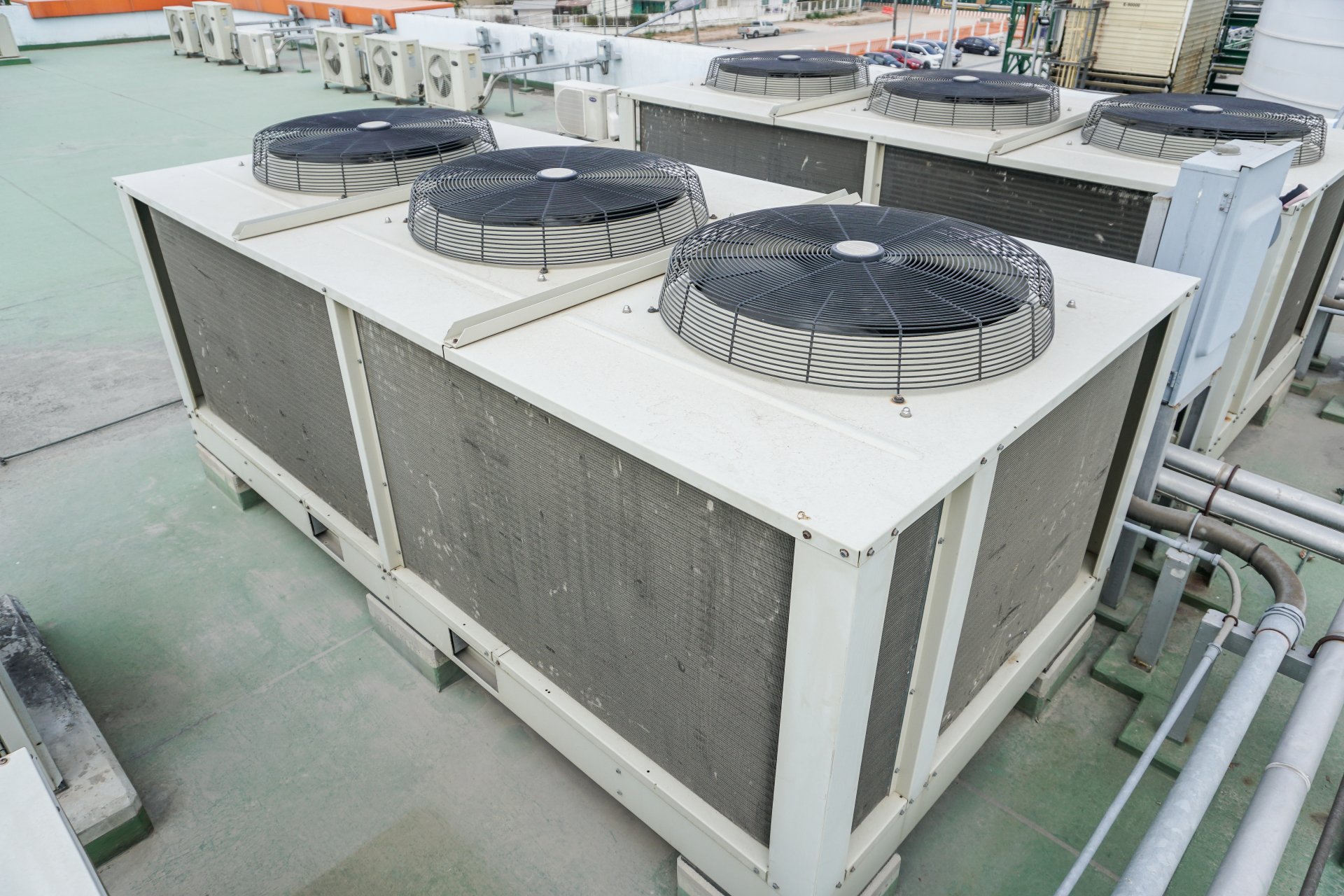
Charleston's seafood restaurant culture - the raw bars along East Bay, the she-crab soup houses in the French Quarter, the shrimp boil operations in Mount Pleasant - generates steam and moisture exhaust loads that exceed standard restaurant kitchen output. Cooking live seafood at volume requires sustained high heat and significant steam production, and the roof penetrations serving these operations see continuous moisture exposure that standard grease exhaust flashings aren't designed to manage. Steam exhaust penetrations on Charleston seafood restaurant buildings need materials with documented moisture resistance rather than standard grease-rated products, and these penetrations should be included in a twice-annual inspection schedule given the continuous steam exposure they experience.
Grease exhaust penetrations on Charleston QSR buildings along Savannah Highway and Sam Rittenberg Boulevard face the combined stress of coastal humidity, subtropical heat, and the salt air that deposits on rooftop surfaces throughout the year. Grease deposits in this climate absorb atmospheric moisture and combine with salt deposits to create a particularly aggressive chemical environment at flashing sealants. Annual cleaning of grease exhaust areas using appropriate degreasers, followed by inspection and re-sealing with sealants specifically rated for coastal and high-humidity applications, is the maintenance standard for Charleston food service roofs. Mainland-rated products that perform adequately in inland markets may underperform in Charleston's combined grease-salt-humidity environment.
Walk-in cooler and freezer penetrations on Charleston restaurant roofs face year-round thermal cycling stress from the combination of high summer ambient temperatures - routinely above 95°F - and cooler interior temperatures that create a sustained, large temperature differential across the cooler enclosure. The high ambient humidity that characterizes Charleston summer means that condensation forms on cooler exterior surfaces continuously during summer months, and this condensation migrates into cooler curb flashings wherever sealant has degraded or cracking has occurred. Pre-summer inspection and re-sealing of all cooler perimeter flashings in late April, before the hottest and most humid period begins, is an investment that protects both the roofing system and the refrigeration equipment reliability it affects.
The ghost kitchen sector has found a foothold in North Charleston's commercial and light industrial zones, particularly near the intersection of Remount Road and the North Charleston industrial corridors where below-market commercial rents support multi-brand delivery kitchen operations. These facilities occupy former retail and industrial spaces where the existing roof systems vary widely in age and condition. Charleston's ghost kitchen operators who commission roofing assessments as part of pre-lease due diligence avoid the scenario where kitchen equipment installation reveals that the existing roof requires full replacement before the building can pass a health inspection for occupancy. In a coastal climate where re-roofing costs are elevated by the need for wind-engineered systems and marine-grade components, discovering this after signing a lease is a significant budget disruption.
Questions Building Owners Ask
Related Roof Planning
Standing Seam Metal Roofing
Standing Seam Metal Roofing needs a practical roof file: photos, measurements, access notes, membrane condition, drainage behavior, and a clear reason for the recommendation. On a standing.
Insurance Claim Coordination
A roof problem above facility managers and commercial roof buyers can stall a Lowcountry building before anyone has a clean scope, so we treat Insurance Claim Coordination as field work.
Church and Religious Building Roofing
St. Michael's Episcopal Church on Meeting Street, consecrated in 1761 and one of the oldest church buildings in continuous use in the United States, sits at the geographic and spiritual.
Healthcare Facility Roofing
Charleston's healthcare real estate market has expanded aggressively along the I-526 corridor and into the Summerville and Nexton communities, with MUSC Health, Roper St. Francis.
Commercial Roof Preventive Maintenance Program
Charleston's commercial corridors stretch along the I-26 and I-526 industrial ring, the Ashley Phosphate Road commercial belt, and the rapidly expanding Summerville and Goose Creek.
Roof Recover and Overlay
We look at Roof Recover and Overlay through the building below it: inventory, patients, tenants, students, employees, guests, or public operations that need protection. On a roof recover.
Contact Us
Plan
With
Us.
Send the roof address, access notes, roof age if known, leak photos, and any operating limits below the roof. We will map the first roof walk around the building, weather window, and urgency of the issue.
Get In Touch