
Roof Work
Mixed-Use Development Roofing in Charleston, SC.
Charleston's peninsula has seen a wave of mixed-use construction that blends ground-floor retail with residential floors above, from the boutique developments along Upper King Street to.
Request Roof WalkMixed-Use Development
Roofing
Roof Scope Notes
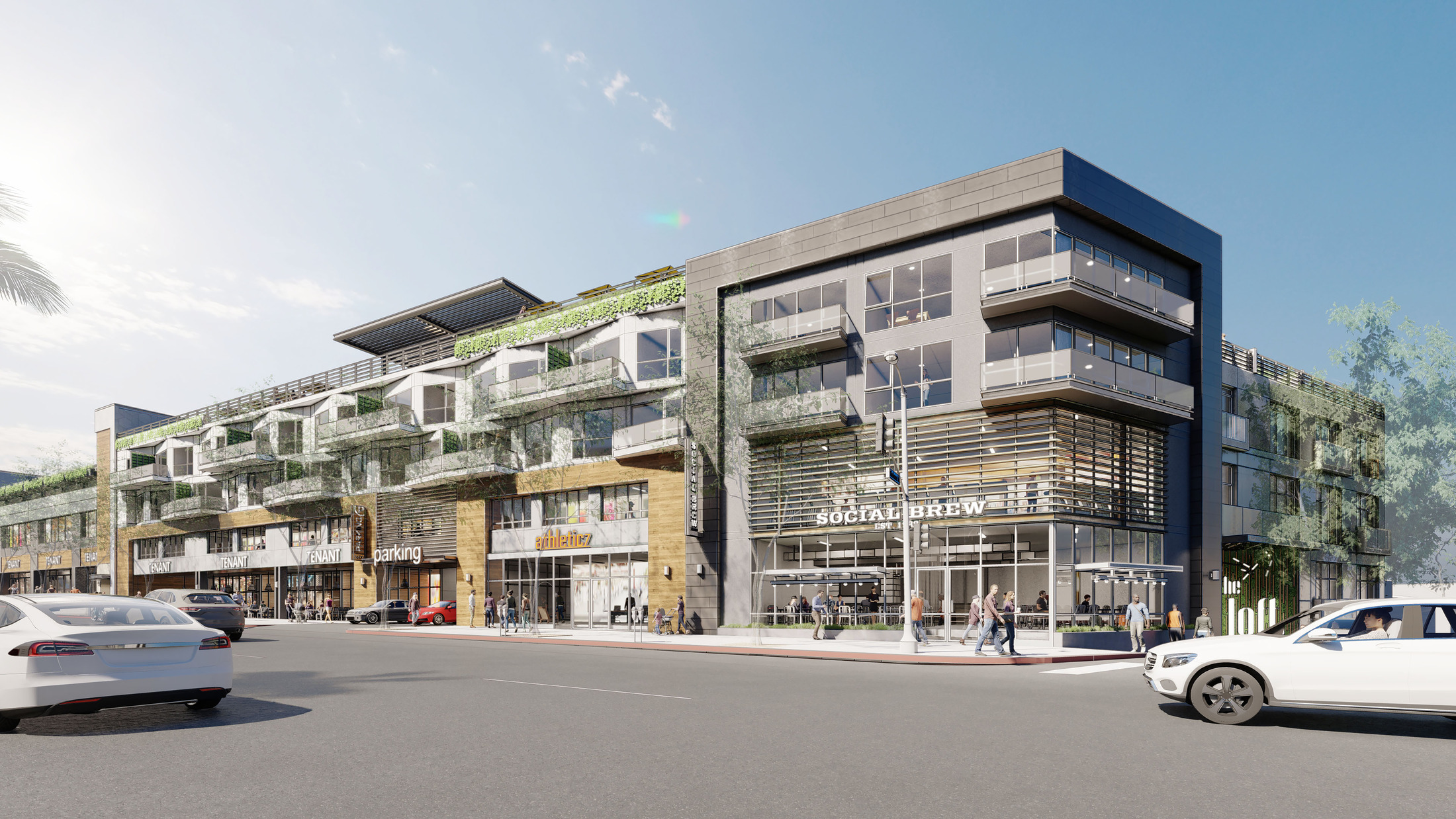
Charleston's peninsula has seen a wave of mixed-use construction that blends ground-floor retail with residential floors above, from the boutique developments along Upper King Street to the Midtown and Noisette projects reshaping North Charleston. Roofing these buildings demands a fundamentally different approach than single-use commercial structures, because you're managing simultaneous occupancies, multiple ownership interests, and a coastal environment that punishes any moisture pathway with particular speed. The combination of salt air, humidity, and the occasional tropical system means waterproofing details at every use transition must be engineered with genuine redundancy.
The shift from retail slab to residential floor above is the most failure-prone zone in any mixed-use building. In Charleston's dense historic districts, where infill projects wedge into lots between older structures, these transitions are further complicated by irregular footprints and party walls that complicate drainage routing. Properly specifying a hot-fluid-applied waterproofing membrane at the transition deck, with positive slope to interior drains, is non-negotiable. Many of the newer King Street corridor projects have incorporated drainage mats beneath pavers on these decks to keep hydrostatic pressure from building against the substrate.
Green roofs have become increasingly relevant to mixed-use developers working through Charleston's design review process, particularly along the Upper Peninsula where stormwater infrastructure is already stressed. Extensive sedum systems on low-slope residential rooftops serve dual purposes: they slow runoff entering an already-taxed municipal system and provide modest insulation value in a cooling-dominated climate. On buildings where rooftop amenity decks for residents are part of the program, the waterproofing assembly beneath the pavers or decking must be rated for both foot traffic and the permanent planter loads that invariably get added after occupancy.
Charleston's historic overlay districts create additional complexity. The Board of Architectural Review has opinions about parapet heights and visible mechanical equipment that push rooftop HVAC and exhaust terminations into tighter configurations than you'd see in unrestricted zones. These configurations create maintenance headaches: when units are stacked closely and penetrations are numerous, every flashing detail matters more because there's less tolerance for informal fixes. Mixed-use buildings on properties that border the BAR purview often end up with complex multi-level rooflines to satisfy both programmatic needs and design guidelines.
Coordinating the reroofing of an occupied mixed-use building on the Charleston peninsula means managing retail tenants who operate on margin and cannot tolerate extended closures, residential floors where noise travels directly through the structure, and a building owner who is typically answering to a condo association or commercial lender with its own timeline expectations. Pre-construction coordination with all three stakeholder groups is not a courtesy-it's the mechanism that prevents work stoppages, noise complaints, and lease disputes mid-project. Sequencing the work to limit jackhammering and compressor operation to midday windows protects both the retail operator's morning trade and residents working from home above.
Fire-rated roof assemblies at the retail-to-residential boundary are a code requirement that experienced contractors must verify against current IBC and South Carolina amendments. In renovations of older mixed-use buildings in the Cannonborough-Elliotborough or Radcliffeborough neighborhoods, the existing assembly may not meet current separation requirements, and the reroofing scope becomes an opportunity to bring the building into compliance. Documenting the existing assembly and confirming the fire-rating of replacement components with the manufacturer before work begins avoids mid-project change orders and AHJ conflicts.
Long-term maintenance agreements are particularly valuable for the mixed-use properties along Charleston's waterfront and in the newly developed Shipyard Park area, where salt aerosol deposition accelerates fastener corrosion and membrane chalking. A semi-annual maintenance program that includes lap seal inspection, drain clearing, and penetration flashing checks gives building owners the early-warning system that prevents a minor blister from becoming a substrate replacement. Maintenance contracts also create a documentation trail that satisfies insurance requirements and supports future refinancing, both of which matter to the mixed-use investor community active along Meeting and East Bay streets.
Questions Building Owners Ask
Related Roof Planning
Roof Recover and Overlay
We look at Roof Recover and Overlay through the building below it: inventory, patients, tenants, students, employees, guests, or public operations that need protection. On a roof recover.
Edge Metal, Coping, and Gutters
We start Edge Metal, Coping, and Gutters work with the roof record, leak history, access point, and the people who will be disrupted if the job is handled casually. On a edge metal,.
Manufacturing Facility Roofing
Volvo Cars' manufacturing plant in Berkeley County, South Carolina - the Swedish automaker's only North American production facility - represents the leading edge of advanced manufacturing.
Restaurant and Food Service Building Roofing
Charleston's food service scene is one of the most celebrated in the American South, driven by the renowned dining corridor along East Bay Street and the lower King Street restaurant.
EPDM Commercial Roofing
The first useful note for EPDM Commercial Roofing is written at the roof hatch, after we see drainage, traffic, equipment, and how the building is used. On a EPDM commercial roofing call,.
Commercial Roof Inspection
The first useful note for Commercial Roof Inspection is written at the roof hatch, after we see drainage, traffic, equipment, and how the building is used. On a commercial roof inspection.
Contact Us
Plan
With
Us.
Send the roof address, access notes, roof age if known, leak photos, and any operating limits below the roof. We will map the first roof walk around the building, weather window, and urgency of the issue.
Get In Touch