
Buildings
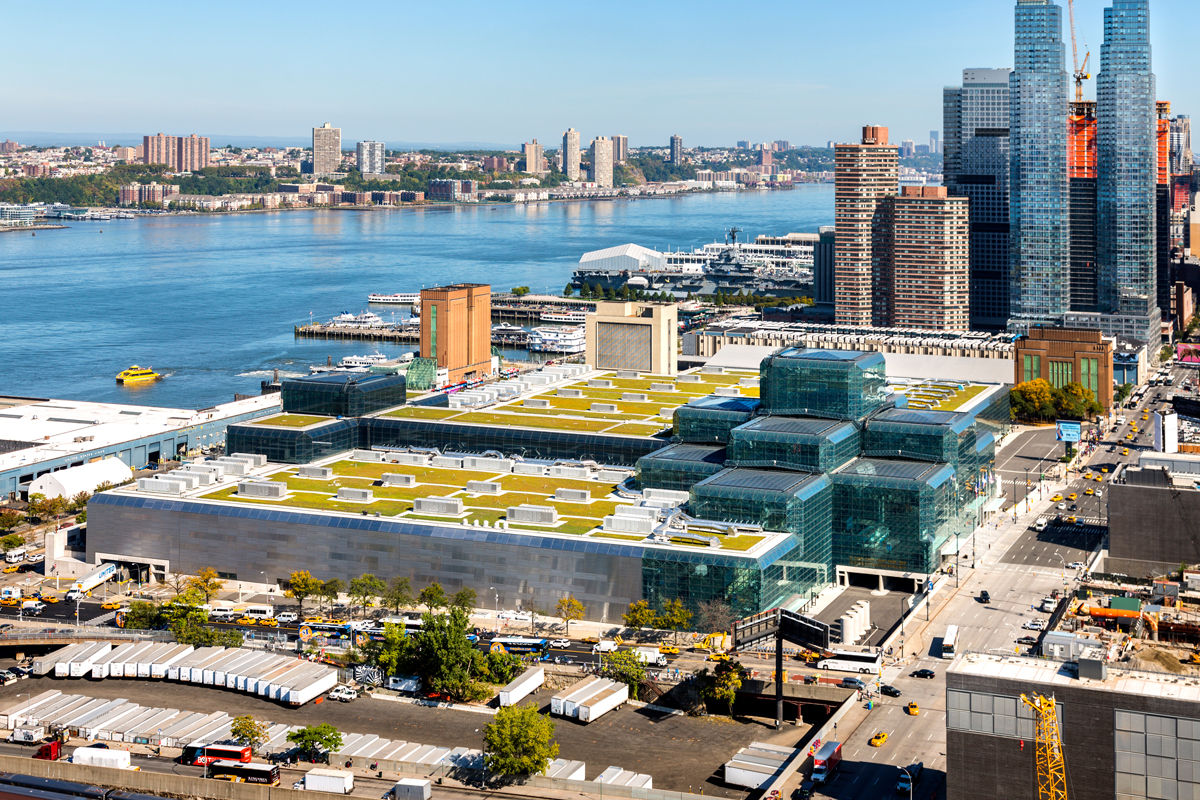
Event Venue & Convention Center Roofing in Charleston, SC.
Charleston's commercial corridors stretch along the I-26 and I-526 industrial ring, the Ashley Phosphate Road commercial belt, and the rapidly expanding Summerville and Goose Creek.
Request Roof WalkEvent Venue
& Convention Center Roofing
Roof Scope Notes
Charleston's commercial corridors stretch along the I-26 and I-526 industrial ring, the Ashley Phosphate Road commercial belt, and the rapidly expanding Summerville and Goose Creek suburban employment zones. Event venues, convention centers, and banquet facilities in this market have committed event calendars that make roofing scheduling a project management challenge first - finding confirmed dark periods in a facility booked 12 to 18 months in advance requires the booking calendar before any scope is written.
That Charleston Hotel and Hospitality Roofing detail matters because roof work can involve peninsula offices, I-26 logistics roofs, medical district buildings, port-area warehouses, hospitality roofs, coastal resorts, and retail roofs that cannot simply close while a roof is open.
The structural span on a large convention center or event venue in Charleston creates roofing engineering requirements that differ fundamentally from standard commercial applications. A clear-span ballroom - 150 feet across an unobstructed event floor - uses a steel structural system that deflects under occupancy load in ways that shorter-span commercial buildings never experience. The deflection is real, calculated by the structural engineer of record, and built into the building design. What's often not built into the roofing specification is an attachment pattern that accounts for it. We design attachment systems for the specific deflection characteristics of each venue, not from a standard commercial attachment schedule.
Membrane seam geometry on long-span event venue roofs in Charleston requires adjustment from standard commercial practice. Standard mechanically attached membrane installations use seam laps that are appropriate for rigid, short-span decks. On a long-span flexible deck, those same seam laps experience shear loads at attachment points that exceed the membrane's rated seam peel strength under repeated deflection cycles. We use wider seam widths and enhanced seam reinforcement at high-deflection-zone locations on long-span venue roofs - not as a design upgrade but as a structural necessity.
Penetration density on large event venues in Charleston is higher than most commercial buildings of equivalent footprint. Convention center roofs carry multiple smoke exhaust systems, numerous air handling units for climate control of exhibit halls and ballrooms, kitchen exhaust from catering facilities, electrical service penetrations for exhibit hall power, and broadcast infrastructure for venues that host televised events. We map every penetration, confirm HVAC curb heights against the new insulation assembly thickness, and coordinate with the venue's mechanical contractor before finalizing the penetration schedule - not after the membrane is installed.
We review the structural drawings and identify the deck type, span, and calculated deflection under design load. From the deflection calculation, we determine the mid-span movement range and select a fastener pattern with spacing adjusted to keep fastener head pull-through stress within the membrane manufacturer's fatigue-rated allowable for the calculated deflection magnitude. For spans over 120 feet, we submit the modified attachment design to the structural engineer of record for review before specification is finalized.
A mechanically attached 80-mil reinforced TPO or PVC membrane with enhanced seam construction is the baseline specification for clear-span ballroom and exhibit hall roofs in Charleston. The heavier membrane weight and wider seam width reduce fatigue risk at attachment points and seam laps under long-span deck deflection. Fully adhered systems are not appropriate for long-span decks - adhesive bond strength is designed for wind uplift, not for cyclical deflection-induced peel forces at the seam.
Questions Building Owners Ask
Related Roof Planning
Distribution Center Roofing
We start Distribution Center Roofing work with the roof record, leak history, access point, and the people who will be disrupted if the job is handled casually. On a distribution center.
Multifamily and Apartment Roofing
A Charleston buyer searching for Multifamily and Apartment Roofing usually needs an answer that can survive budget review, not a vague promise. On a multifamily and apartment roofing call,.
Religious Facility Roofing
A roof problem above building owners and operations teams can stall a Lowcountry building before anyone has a clean scope, so we treat Religious Facility Roofing as field work before.
Industrial Flex Space Roofing
The flex building is the chameleon of the commercial roof world. The same shell that houses a light-manufacturing line this year might hold a distribution operation, a maker's workshop, a.
Airport Terminal & Aviation Facility Roofing
An airport roof is the one job where the building never closes for you. Charleston International Airport runs flights and operations around the clock, and it shares its airfield with Joint.
University and College Campus Roofing
The College of Charleston's historic campus in the heart of downtown Charleston is one of the most architecturally significant university environments in the South, and roofing work at.
Contact Us
Plan
With
Us.
Send the roof address, access notes, roof age if known, leak photos, and any operating limits below the roof. We will map the first roof walk around the building, weather window, and urgency of the issue.
Get In Touch