
Buildings
Museum & Cultural Facility Roofing in Charleston, SC.
Charleston's commercial corridors stretch along the I-26 and I-526 industrial ring, the Ashley Phosphate Road commercial belt, and the rapidly expanding Summerville and Goose Creek.
Request Roof WalkMuseum &
Cultural Facility Roofing
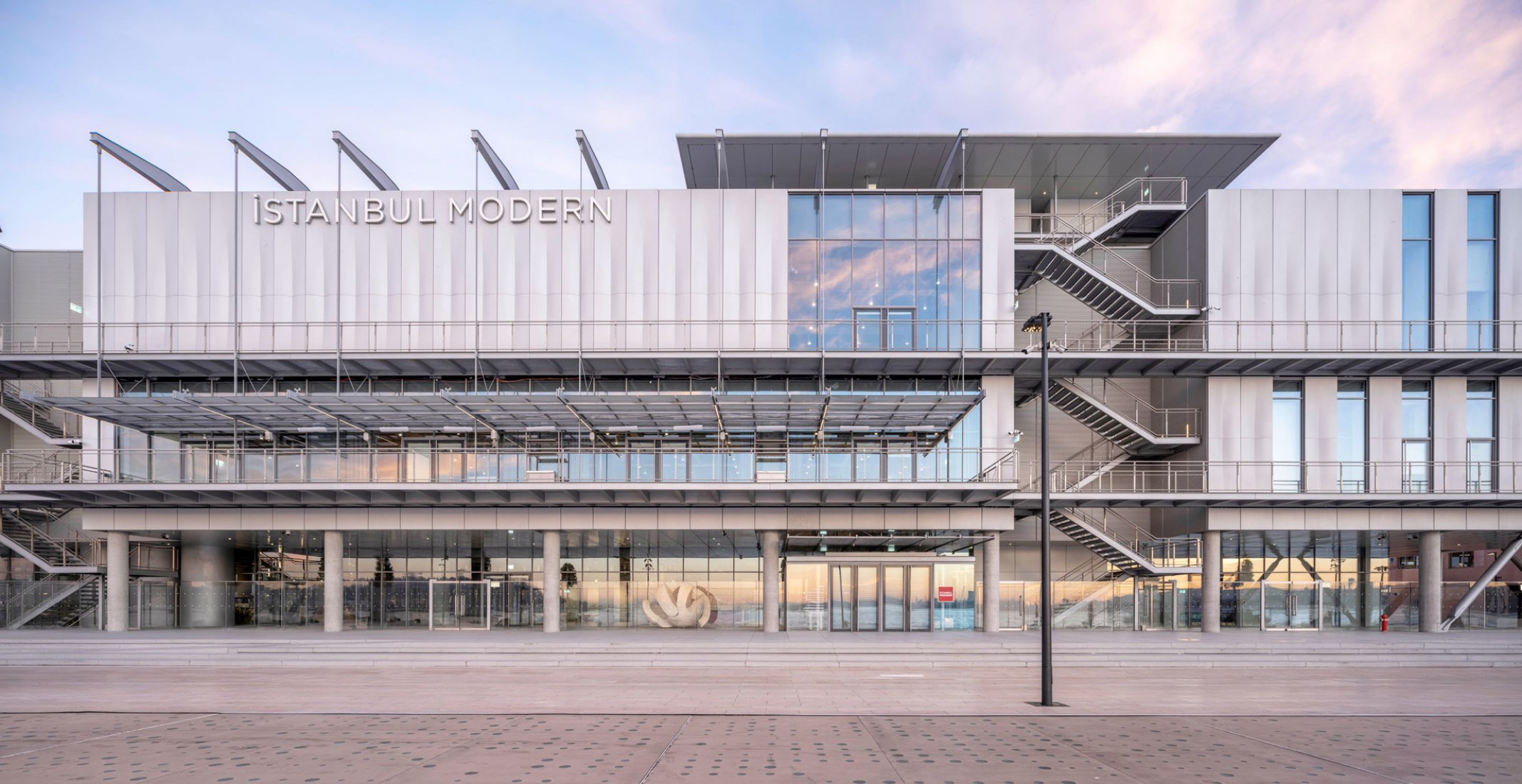
Roof Scope Notes
Charleston's commercial corridors stretch along the I-26 and I-526 industrial ring, the Ashley Phosphate Road commercial belt, and the rapidly expanding Summerville and Goose Creek suburban employment zones. Museums and cultural institutions in this market require roofing specifications that protect collections from even low-rate moisture infiltration - the standard for museum envelope performance is zero-tolerance, and the phasing, temporary protection, and skylight coordination requirements that achieve that standard are fundamentally different from standard commercial roofing practice.
That Charleston Higher Education Roofing detail matters because roof work can involve peninsula offices, I-26 logistics roofs, medical district buildings, port-area warehouses, hospitality roofs, coastal resorts, and retail roofs that cannot simply close while a roof is open.
Museum and cultural institution roofing in Charleston requires phased project planning matched to one constraint that overrides scheduling, cost, and convenience: the collection cannot be exposed to moisture. Not even briefly. Artwork, manuscripts, historic textiles, and archival materials can sustain irreversible damage from relative humidity changes that are invisible to the human eye. A re-roofing project that allows even low-rate moisture infiltration into a gallery space causes damage that may not become apparent until months after construction is complete. We treat every gallery and collection storage area as a zero-exposure zone from day one of construction planning.
The phase boundary protocol for museum re-roofing in Charleston is the most stringent in commercial construction. Before any membrane tearoff begins over a gallery or collection storage area, temporary weather protection is installed, inspected, and confirmed by the project manager - fully sealed poly over the exposed deck, all laps taped with butyl tape, all edges secured against wind-driven rain. If weather forecast shows more than 10% precipitation probability within 24 hours of the opening a phase boundary, we do not open that boundary. The temporary protection budget is built into every museum roofing proposal as a firm-price line item - not a contingency to be reduced.
The curatorial team's input on phase sequencing is a construction management requirement for museum re-roofing in Charleston. Curators know which galleries contain the most moisture-sensitive works, which storage vaults have the most stringent climate requirements, and which exhibit rotations will bring high-value loans into the building during the construction period. We meet with the curatorial team before finalizing the phase plan - not to seek permission, but because they have information that affects the sequence. A re-roofing contractor who doesn't involve the curatorial team hasn't understood what's at risk.
Every gallery and collection storage area receives fully sealed temporary weather protection before tearoff begins overhead. The protection is inspected by the project manager and confirmed in writing before tearoff starts. Phase boundaries are sealed with butyl tape and secured against wind-driven rain. If weather is forecast that creates precipitation risk to an open section within 24 hours, we stop opening new sections until the forecast window clears. We document the temporary protection condition with photographs at the start and end of each work day.
Yes - in most cases and with careful phasing. Galleries below active construction sections are closed during overhead work but may remain accessible if work is above a different building wing. Most museum re-roofing in Charleston proceeds with portions of the museum open and accessible to visitors. The phasing plan is reviewed with the museum's operations director and curatorial team before mobilization, and the public-facing gallery closures are communicated to visitors in advance.
Questions Building Owners Ask
Related Roof Planning
Hospital and Surgery Center Roofing
Hospital and Surgery Center Roofing needs a practical roof file: photos, measurements, access notes, membrane condition, drainage behavior, and a clear reason for the recommendation. On a.
Office Complex Roofing
We look at Office Complex Roofing through the building below it: inventory, patients, tenants, students, employees, guests, or public operations that need protection. On a office complex.
Bank & Financial Building Roofing
A bank branch is a small, high-visibility flat roof sitting directly over the things a financial institution can least afford to get wet - the vault, the server room, and a lobby full of.
Automotive Manufacturing Facility Roofing
The Charleston region has become real automotive country, and the roofs that come with it are nothing like a strip-center flat roof scaled up. Volvo's assembly plant out at Camp Hall in.
Fire Station & Emergency Services Facility Roofing
Charleston's commercial corridors stretch along the I-26 and I-526 industrial ring, the Ashley Phosphate Road commercial belt, and the rapidly expanding Summerville and Goose Creek.
Commercial Re-Roofing
For Roof Recover and Overlay, SC Ports states that one in nine South Carolina jobs is connected to the port and that SC Ports owns and operates the Port of Charleston. That Charleston Roof.
Contact Us
Plan
With
Us.
Send the roof address, access notes, roof age if known, leak photos, and any operating limits below the roof. We will map the first roof walk around the building, weather window, and urgency of the issue.
Get In Touch