
Buildings
Stadium & Arena Roofing in Charleston, SC.
Charleston's commercial corridors stretch along the I-26 and I-526 industrial ring, the Ashley Phosphate Road commercial belt, and the rapidly expanding Summerville and Goose Creek.
Request Roof WalkStadium &
Arena Roofing
Roof Scope Notes
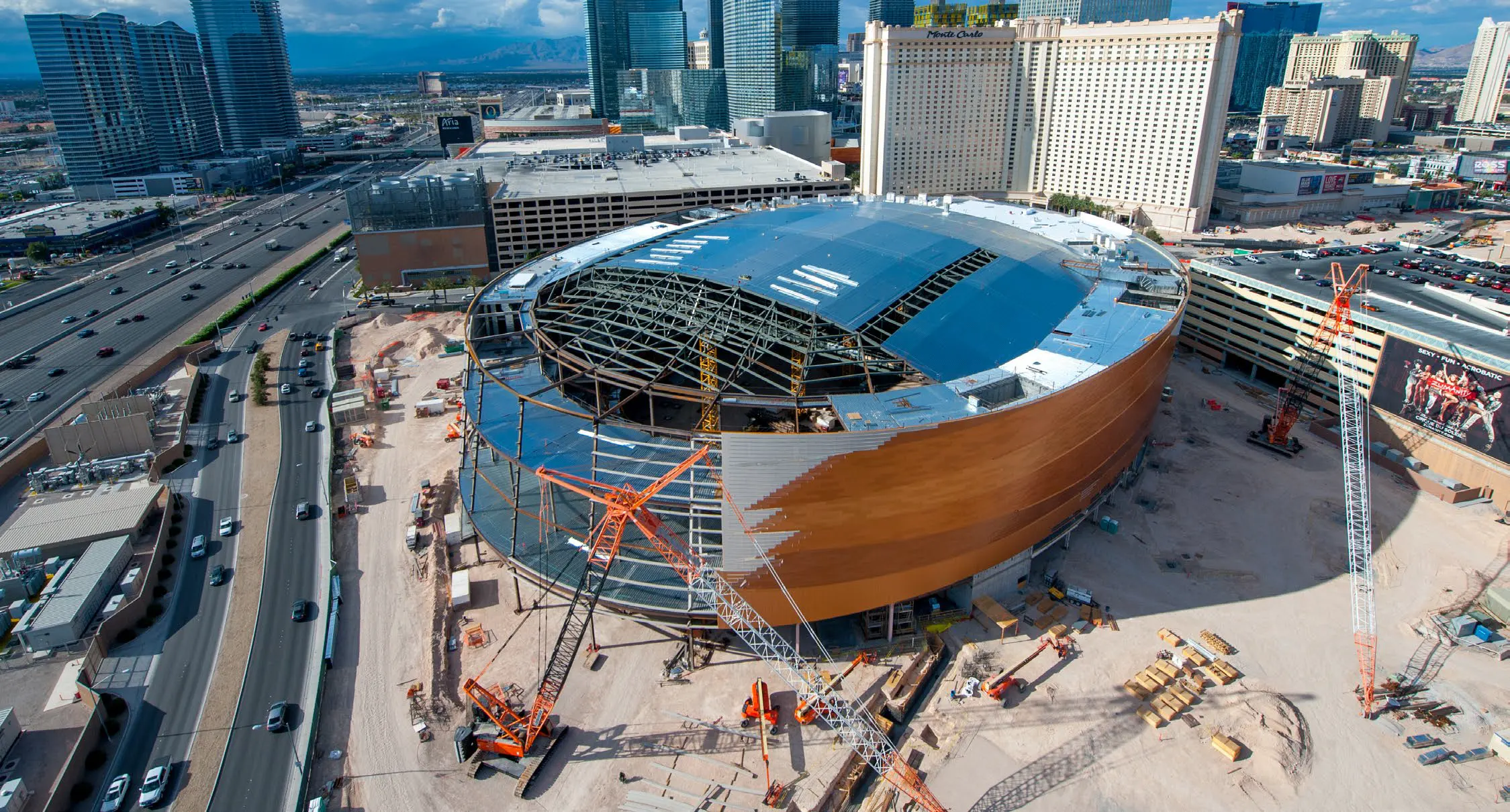
Charleston's commercial corridors stretch along the I-26 and I-526 industrial ring, the Ashley Phosphate Road commercial belt, and the rapidly expanding Summerville and Goose Creek suburban employment zones. Stadium and arena structures in this market operate on packed event calendars - professional sports, concerts, graduations, and community events - that compress available roofing windows to a handful of confirmed dark periods per year, requiring a project plan tuned to the booking calendar before the contract is written.
That Charleston Higher Education Roofing detail matters because roof work can involve peninsula offices, I-26 logistics roofs, medical district buildings, port-area warehouses, hospitality roofs, coastal resorts, and retail roofs that cannot simply close while a roof is open.
Revenue continuity is the constraint that governs every stadium and arena roofing decision in Charleston. A venue that generates ticket revenue, concession revenue, naming rights income, and broadcast fees across a 200-event annual calendar cannot absorb construction-imposed dark periods. The roofing contractor's job is to deliver the required work within the available windows - not to tell the facility manager that the work can't be done on that schedule. We've never missed a contracted event-protection milestone.
The capital planning framework for stadium roofing in Charleston looks different from standard commercial re-roofing. Venues typically have reserve fund obligations to lenders or bond covenants that govern how major capital expenditures are scheduled and financed. Re-roofing projects on stadiums are frequently structured as phased multi-year capital programs - Zone A in Year 1, Zone B in Year 2 - that spread the investment across budget cycles while keeping the facility in continuous service. We build phased capital programs and provide year-by-year scope and cost projections that fit the facility's budgeting requirements.
Phased re-roofing also allows an active stadium in Charleston to maintain manufacturer warranty coverage across the transition period. A new membrane section installed in Year 1 can be warranted immediately; older sections in Zones B and C remain under maintenance program coverage until their replacement year. We document the boundary between warranted and pre-warranty sections clearly and provide a maintenance inspection schedule for legacy sections that extends their performance life until they're replaced in the program.
A phased capital program divides the stadium's roof into zones based on condition, structural characteristics, and operational sensitivity. Each zone is re-roofed in a separate annual cycle, allowing the venue to spread the capital investment across budget years without taking the facility out of service. Zones in the worst condition are prioritized; zones with remaining service life are maintained under a documented maintenance program until their replacement year. We provide full cost projections for each phase at the program's start.
Yes. Roof replacement on a stadium or arena qualifies as a capital improvement for accounting and financing purposes. Many venues in Charleston finance large roof replacements through facility reserve funds, municipal bond proceeds, or direct lender financing secured by the venue's operating revenue. We provide the documentation package lenders and bond counsel typically require: scope of work, specification documents, contractor credentials, and warranty terms.
Questions Building Owners Ask
Related Roof Planning
Museum & Cultural Facility Roofing
Charleston's commercial corridors stretch along the I-26 and I-526 industrial ring, the Ashley Phosphate Road commercial belt, and the rapidly expanding Summerville and Goose Creek.
Medical Office Building Roofing
We start Medical Office Building Roofing work with the roof record, leak history, access point, and the people who will be disrupted if the job is handled casually. On a medical office.
Restaurant and Standalone Hospitality Roofing
A Charleston buyer searching for Restaurant and Standalone Hospitality Roofing usually needs an answer that can survive budget review, not a vague promise. On a restaurant and standalone.
Fitness Center & Gym Roofing
A gym roof has two problems most buildings of the same size never face: a packed rooftop of air handlers feeding a few thousand people a day, and a steady push of indoor humidity coming up.
Funeral Home & Mortuary Roofing
A funeral home cannot reschedule a visitation because there is a roofing crew on site, and that single fact shapes everything we do on these buildings. We roof mortuaries, funeral chapels,.
Office Building Roofing
The Harbour View office campus in Mount Pleasant and the Dunes West corporate park in the growing East Cooper submarket represent the Class A office environment that Lowcountry building.
Contact Us
Plan
With
Us.
Send the roof address, access notes, roof age if known, leak photos, and any operating limits below the roof. We will map the first roof walk around the building, weather window, and urgency of the issue.
Get In Touch